The theory that Jesus was crucified on Wednesday, rather than the traditional Good Friday, is a minority...
Sarvarthapedia Area-8 (Culture and Belief)
The eighth area (Culture): Beliefs, Arts, and Expression, reflects the symbolic and creative dimensions of human life. It encompasses religion, philosophy, visual arts, music, and performance. This domain examines how humans express meaning, identity, and values through creative and spiritual practices. It highlights the diversity of cultural traditions and the ways in which art and belief systems shape perception and experience.
The Isavasya Upanishad, originating from the Shuklayajurveda Madhyandin branch, discusses the concept of divine omnipresence and the...
The food habits of Lord Rama, as described in Valmiki's Ramayana, suggest he practiced a diet that...
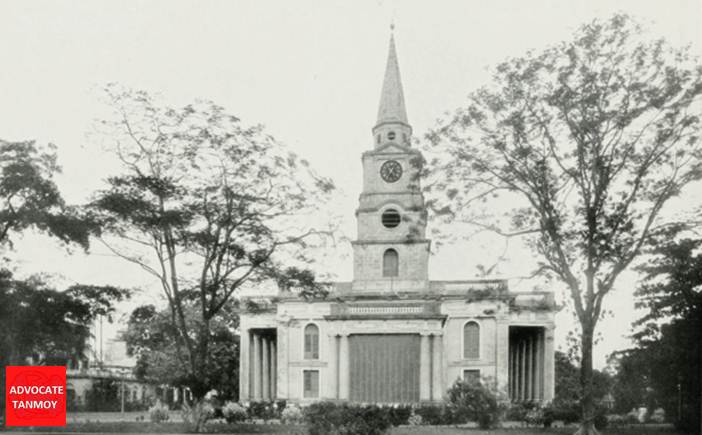
The inception of Freemasonry in India dates back to 1728, shortly after the establishment of the Grand...
The concept of Kafir in the Quran refers to those who reject faith and hinder others from...
The Sankalpa Mantra is a key ritual declaration in the Vedic tradition, reflecting a devotee's intention, identity,...
Akaal Bodhan refers to the untimely invocation of Goddess Durga by Lord Rama during autumn, deviating from...
The Anti-Christian Library functions as a specialized research cluster within Sarvarthapedia dedicated to the historical, philosophical, theological,...
It is widely acknowledged that members of the Mar Thoma Church are expected to prioritize the authority...
एवं मे सुतं – एकं समयं भगवा राजगहे विहरति गिज्झकूटे पब्बते। तेन खो पन समयेन राजा मागधो...
The Rigveda is the oldest sacred text in the Vedic tradition, encompassing knowledge through hymns of praise....
The Śukla Yajurveda, a canonical Vedic text, serves as both a ritual manual and a philosophical guide,...
The Bhagavad Gita is an ancient Indian text in the form of a dialogue between Krishna and...
The Pali Tripitaka and its core components, namely the Sutta, Vinaya, and Abhidhamma, highlighting their historical development....