Neutral Citation Number: [2020] EWHC 1840 (Ch)Case No: HC-2014-000732
IN THE HIGH COURT OF JUSTICE
BUSINESS AND PROPERTY COURTS OF ENGLAND AND WALES
Business List (Ch D)
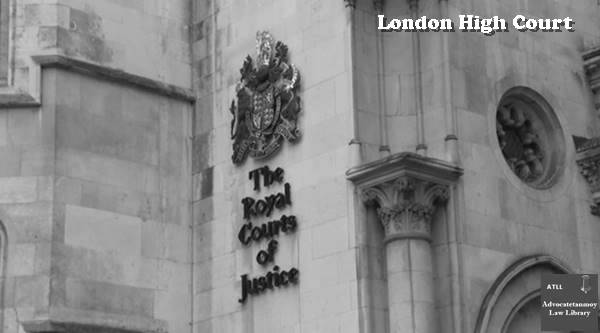
Royal Courts of Justice Rolls Building, Fetter Lane, London EC4A 1NL
Date: 17/07/2020
Before :
DEPUTY MASTER BOWLES
Between :
Nirav Shah Claimant
and –
Ashok Shah Defendant
-and- (1) Jaivant Shah
(2) Bharat Shah
(3) Narendra Shah
Thomas Roe QC and Chloe Shuffrey (instructed by Kapoor & Co) for the Part 20 Claimant
Gideon Roseman (instructed by SNV Law) for the 1st Part 20 Defendant
Bharat Shah and Narendra Shah did not appear and were not represented.
Hearing dates: 11th, 12th and 13th December 2019
Summary of the court’s decision
Case Overview
This was a dispute between brothers over their interests in four plots of land in Bangalore, India, known as the “Victoria View plots.” The central question was whether the brother holding the rights to the plots, Ashok Shah, was liable to account to his brothers for their full, unencumbered freehold value, or whether he was only liable for the value of the limited rights he actually held.
Core Issue
The key issue for the court was whether Ashok Shah was in “wilful default” or breach of his duties as a trustee for his brothers by failing to take adequate steps over many years to secure legal ownership of the plots. If he was in breach, he could be liable for the full value of the plots (£1 million). If not, he would only be liable for the value of the bare contractual rights he held, which was zero.
Background Facts
- The brothers’ interest in the plots arose from indentures (agreements for purchase) Ashok signed with a developer, “Victorian View,” in 1994/95.
- The agreements were never completed. The purchase price was never paid, and no sale deeds were ever registered in Ashok’s favour.
- The developer, Victorian View, never had a valid power of attorney from the true landowners, making it impossible for them to legally transfer the plots.
- The land was agricultural and had not been converted for residential use, a legal requirement for the sale to be valid.
- Over the years, the land was subject to encroachment, litigation, and title disputes, making it impossible to identify or access the specific plots.
The Court’s Key Findings & Decision
The court dismissed the claim against Ashok Shah, finding he was not liable for the full value of the plots. The reasoning was as follows:
1. No Breach of Trust or Wilful Default:
- The court found that Ashok had acted as a “prudent trustee” would have in the circumstances.
- He had regularly chased the developer for progress updates, engaged with a residents’ association (VVLOWA) that was fighting the title issues, and even attempted to find a buyer for the contractual rights.
- Crucially, the trust had no funds to pursue costly litigation in India. A trustee is not obligated to use their own personal funds to pursue trust assets, especially when the outcome is uncertain.
2. Any Action Would Have Been Futile:
- This was the most decisive finding. The court concluded that even if Ashok had taken all the steps his brother Jaivant alleged he should have (e.g., instructing lawyers, suing for specific performance), it would have made no difference.
- The fundamental, insurmountable problem was that the developer lacked the legal authority (a power of attorney) to sell the land. Therefore, no Indian court would have granted specific performance to enforce the agreements.
- The land’s status as unconverted agricultural land presented another legal bar to enforcement.
3. Jaivant Concurred in the Approach:
- The court found that Jaivant was not kept in the dark, as he claimed. He was involved in earlier attempts to sell the plots and was aware of the problems.
- By acquiescing to Ashok’s handling of the matter for years, Jaivant was estopped from now complaining that the approach was a breach of trust.
Final Outcome
- The claim of wilful default and breach of trust was dismissed.
- Ashok Shah was ordered to account to his brothers only for the value of his actual interest in the plots—the unperformed indentures.
- The expert valuers for both parties agreed these contractual rights had no marketable value.
- Therefore, the sum for which Ashok was liable to account to his brothers was £0.