Vedic Food Laws Explained: What the Bhagavad Gita Really Says About Meat, Fish, Sattvic Diet, and Ritual Offerings
The expression “sāttvika food” (सात्त्विक आहार) has acquired a meaning in modern Hindu discourse that is considerably narrower than the classification actually found in the Bhagavad Gita. In popular usage, a fixed catalogue is often presented: fruits, milk, grains and vegetables are called sattvic; meat, fish, onion and garlic are placed under rajas or tamas. Such a classification may represent the discipline of particular Vaiṣṇava, Bhakti, Yogic, monastic or sectarian traditions, but it is not the terminology of Bhagavad Gita 17.7–17.10 itself. Krishna does not name chicken, mutton, fish, onion or garlic and declare any of them intrinsically tamasic. The Gita proceeds by a different principle. It examines the nature, condition, preparation, effect and consequence of food and places these within the larger psychology of sattva, rajas and tamas.
The distinction begins with 17.7, where food, sacrifice, austerity and charity are all said to have three forms according to the three guṇas. Śaṅkarācārya understands the verse as referring to the threefold preference of embodied beings; Rāmānuja relates the classification to the dominance of sattva, rajas and tamas in the individual; and Vallabhācārya places the discussion within the wider field of Vedic religious practice, observing that ordinary life itself is deeply dependent upon food. The verse is therefore not introducing a primitive food blacklist. It establishes a philosophy of classification. Food participates in the constitution of the person who consumes it.
That principle becomes explicit in Bhagavad Gita 17.8: āyuḥ-sattva-balārogya-sukha-prīti-vivardhanāḥ, foods are praised when they increase life, vitality or clarity, strength, health, happiness and satisfaction. Krishna then describes them as rasyāḥ, snigdhāḥ, sthirāḥ, hṛdyāḥ—nourishing, possessing desirable taste and substance, sustaining, and pleasing. The criterion is consequently not the modern question, “Is this plant food or animal food?” The question is more fundamental: What is the condition of the food, how has it been prepared, what does it produce in the body and what disposition does it support?
This distinction is essential when discussing fresh fish, fresh chicken and fresh mutton. A freshly obtained animal food, properly cleaned, properly cooked and consumed as a nourishing meal is not textually identical with meat that is putrid, decomposed, stale, foul-smelling, repeatedly reheated, contaminated or left after another person has eaten from it. The Gita’s language in 17.10 expressly recognises such distinctions. The condition of food matters. Its physiological and psychological consequences matter. Its ritual fitness may also matter. These are separate but interconnected questions.
It would therefore be an error to argue from the Gita that all meat is automatically tamasic merely because it is meat. The verse does not say this. Equally, it would be an error to reverse the argument and declare that every fresh piece of chicken, fish or mutton is therefore “sattvic” in every Hindu system. The Gita supplies a qualitative principle; later religious traditions frequently supplied more specific dietary disciplines. The two should not be confused.
The historical development of Indian food culture demonstrates why such a distinction is necessary. The Vedic corpus, transmitted through the Saṃhitās, Brāhmaṇas and Śrauta traditions, preserves a sacrificial culture in which animals and animal products could occupy a regulated ritual position. The existence of such practices is incompatible with the simplistic proposition that the entire Vedic world operated under an absolute prohibition of animal food. At the same time, the ritual use of an animal cannot be confused with unrestricted private meat consumption. Vedic sacrifice was a juridical and ritual institution, governed by mantra, priestly function, consecration, prescribed procedure, sacrificial division and rules concerning what could be offered and consumed.
The Aśvamedha, for example, was not a royal feast involving indiscriminate consumption of horse meat. It was an elaborate sovereignty ritual connected with kingship and political authority. Other Vedic sacrifices likewise operated within carefully defined ritual circumstances. Thus the historical record supports neither the modern assertion that “Vedic people never ate meat” nor the opposite claim that “Vedic religion was simply a meat-eating religion.” The Vedic system was differentiated by ritual status, occupation, life-stage, sacrifice, necessity and circumstance.
Goat and horse meat were used only in specific Vedic sacrifices such as the Soma Yajña and the Ashvamedha, where they were ritually offered and then consumed communally as part of the sacrificial remnants. Outside such sacrificial frameworks, all meat-eating was a private, domestic matter, not a public or institutional one. While vegetable-based diets were encouraged for non-warrior classes because they suited their lifestyle, there was no additional spiritual merit claimed simply for being vegetarian. At the same time, the necessary killing of animals or fish strictly for sustenance was not counted as a violation of dharma.
The distinction becomes particularly important in relation to Brahmacharya and Sannyāsa. The discipline imposed upon a Brahmacārin was not identical with the dietary freedom of a householder or the requirements of a warrior. A student undergoing Vedic discipline was expected to cultivate restraint, obedience, concentration and mastery of the senses. A Sannyāsin, whose life was directed toward renunciation, austerity and liberation, stood under still more restrictive disciplines. The prohibition of meat and intoxicating substances within such orders therefore belongs to a larger discipline of the person, rather than proving that every member of every social and ritual category was subject to an identical dietary law.
The same principle applies to the Kṣatriya. The social world represented by the Rāmāyaṇa and Mahābhārata cannot be understood through the dietary assumptions of a later monastic institution. The Kṣatriya was responsible for war, protection, hunting, physical training, political administration and the defence of the realm. The Bhagavad Gita itself is not a sermon delivered in a monastery. It is spoken at Kurukṣetra, in the presence of an army, to a warrior whose hesitation has become a crisis of dharma. Krishna’s purpose is not to convert Arjuna into an ascetic but to restore his capacity to perform his ordained duty without attachment and confusion.
Consequently, the dietary question must also be situated within the larger question of strength and function. A soldier, hunter, labourer or warrior operating under severe physical conditions cannot necessarily be governed by the same practical diet as a contemplative ascetic. The Indian tradition historically recognised differences between Āśrama-dharma, Varṇa-dharma, ritual discipline and ordinary household life. Food was therefore connected with the function of the person and the demands placed upon the body.
This historical complexity is particularly visible in Bengal. Fish became deeply established in Bengali food culture, including among sections of the Bengali Brahmin community, despite the existence of strict vegetarian traditions elsewhere in India. Fish was not merely tolerated as an exceptional substance; in Bengal it became embedded in household custom, regional identity and social practice. The historical existence of Bengali Brahmin fish-eating demonstrates that Hindu dietary practice has never been completely uniform across the subcontinent. Region and tradition have always interacted with religious law.
The same caution is necessary concerning garlic (laśuna). The Bhagavad Gita does not mention garlic in Chapter 17. The later classification of garlic and onion as unsuitable for particular forms of sādhana, meditation, Brahmacharya or Vaiṣṇava practice belongs to subsequent interpretive and disciplinary traditions. Such prohibitions can possess genuine authority within the communities that observe them; they should not, however, be falsely attributed word-for-word to Krishna’s classification in 17.8–17.10. The distinction between what the Gita says and what later traditions developed from broader Hindu concepts of purity and mental discipline is historically indispensable.
Verse 17.9 provides the corresponding description of rajasic food: kaṭv-amla-lavaṇāty-uṣṇa-tīkṣṇa-rūkṣa-vidāhinaḥ. Foods that are excessively bitter, sour, salty, hot, pungent, dry or burning are associated with rajas and are said to produce duḥkha, śoka and āmaya—distress, sorrow and disease. Here the Gita again refuses to operate as a simple ingredient list. A food does not become rajasic merely because it belongs to one botanical or zoological category. Excess itself is significant. Taste, intensity, preparation and effect enter into the classification.
This makes the relationship between sattva and rajas more subtle than the common three-column chart suggests. A food may possess qualities ordinarily associated with sattvic nourishment and yet become harmful when consumed improperly, excessively or in a condition that produces disease. Conversely, the mere absence of meat does not guarantee health, clarity or sattva. The Gita’s concern is not dietary ideology for its own sake. It is the formation and preservation of the human instrument through which knowledge, action, discipline and dharma become possible.
The decisive statement comes in 17.10, where Krishna describes yātayāma, gata-rasa, pūti, paryuṣita, ucchiṣṭa and amedhya. Food that has remained too long, lost its natural quality, become foul, stale or decomposed, consists of another person’s leftovers, or is amedhya, is associated with tamas. Śaṅkarācārya, Rāmānuja and later commentators differ in details of interpretation, but the general structure is unmistakable: decomposition, loss of natural vitality, contamination and ritual unfitness belong to the tamasic field.
The word amedhya is particularly important because it introduces the relationship between ordinary food and yajña. It should not simply be translated as “unhealthy food.” Its semantic field includes what is unfit for sacrificial or sacred use. Vedic ritual purity was governed by a much larger structure than modern ideas of hygiene. The question was whether a substance was admissible within the ritual order established by śruti, mantra, Agni, priestly function and prescribed procedure.
This is why Agni occupies such a central position in Vedic theology. The first hymn of the Ṛgveda, 1.1, begins agnim īḷe purohitam—“I praise Agni, the purohita.” Agni is not merely physical fire. Within the Vedic sacrificial system, Agni functions as the mediating principle through which the offering reaches the devas. The sacrificial offering therefore acquires its religious character through a prescribed ritual process. A substance does not become Vedic yajña-śeṣa simply because it has been placed before an image.
This distinction becomes important when later devotional practices are read backwards into the Vedic sacrificial system. Naivedya, prasāda and temple food developed within historical religious traditions of their own. They cannot automatically be identified with the Śrauta mechanism of sacrifice. In the Vedic conception, an offering becomes sacrificial through Agni, mantra and ritual authority. The relationship between offering and consumption is consequently governed by the ritual structure rather than by the mere physical act of placing food before a deity.
Some people may claim that wine or meat can be offered to deities based on certain later texts or practices, but Vedic theology maintains that the only authoritative scriptures for Sanatana Dharma are the Vedic śāstras themselves. According to this view, placing food directly before an idol has no spiritual efficacy by itself. What is spiritually meaningful is food that has passed through Agni with the proper mantras—this alone becomes yajña-śeṣa or mahāprasāda. Thus, eating Soma-rasa or the consecrated goat meat from a Soma Yajña, as described in the Yajur Veda, is considered receiving true mahāprasāda. No Vedic deity accepts an offering unless it is carried by fire and sanctioned by mantra, for Agni (Rig Veda 1.1) is the ordained messenger between humans and the gods. Tamasik foods are not at all ‘food’; they are poison. On the other hand, Rajasic foods cause diseases. Therefore, we may say that all Sattvic foods are Rajasic if they cause disease and unhappiness.
The history of meat therefore cannot be separated from the history of yajña. Particular Vedic sacrifices involved animals under prescribed circumstances, and the sacrificial remains could form part of the communal ritual consumption. This does not transform every form of meat consumption into sacrifice. Nor does it permit the reverse conclusion that all meat is inherently outside Vedic civilisation. The determining question is the dharmic and ritual context.
The principle of necessity also deserves attention. Vedic and post-Vedic ethical literature developed elaborate discussions of ahiṃsā, yet ahiṃsā did not historically function as a single undifferentiated prohibition governing every circumstance. The killing of animals for pleasure, unnecessary cruelty, ritual sacrifice, subsistence, warfare and emergency circumstances were treated differently in different textual and social settings. The evolution of Indian vegetarianism was consequently a historical development, influenced by Vedic ritualism, Upaniṣadic thought, Śramaṇa traditions, Buddhism, Jainism, Purāṇic religion, Bhakti movements and later institutional practices. It cannot all be compressed into one sentence attributed to the Gita.
For the same reason, the food of a Vedic warrior should not be reconstructed from the dietary rules of a later temple ascetic. The warrior’s body was an instrument of rāṣṭra-rakṣā, protection of the political community. Strength, endurance, alertness and physical capacity were not considered spiritual defects. The Gita’s teaching itself is directed toward a warrior who must recover the strength to act. Food that supports the body and preserves the capacity for disciplined action cannot be dismissed merely because a later sectarian tradition has adopted a more restrictive dietary code.
The phrase “sattvic food,” therefore, should not be reduced to “vegetarian food.” Vegetarianism may be an important and authoritative discipline within particular Hindu traditions, but the conceptual category in Gita 17.8 is wider. Sattva concerns the quality of existence and consciousness. Food is sattvic insofar as it participates in the preservation and increase of life, health, clarity, strength, happiness and contentment. Rajas is characterised by excessive stimulation and consequences such as distress and disease. Tamas appears in food that has lost vitality, become stale, putrid, decomposed, contaminated or otherwise unfit.
Accordingly, fresh chicken, fresh mutton and fresh fish should not be condemned as tamasic merely by inserting a modern vegetarian classification into the words of Gita 17.10. Nor should their freshness alone be treated as a theological declaration that they are sattvic. Freshness is one criterion; nourishment, preparation, quantity, consequence, ritual status and the discipline of the consumer are others. The same reasoning applies to garlic. Its prohibition in particular traditions may be real and historically important, but Bhagavad Gita 17.7–17.10 does not itself pronounce garlic to be tamasic.
The deeper Vedic principle is therefore one of functional classification rather than culinary absolutism. Food belongs to the moral and psychological architecture of life because it becomes part of the living body and consequently participates in the capacity for thought, action, sacrifice and discipline. A food that nourishes life and preserves health serves one function; food that inflames, disturbs or produces disease serves another; food that has become decomposed, stale, contaminated or ritually unfit belongs to a third. Sattva, rajas and tamas are not merely names for three menus. They are categories through which Indian philosophy interprets the relationship between matter, body, conduct and consciousness.
From this standpoint, the popular equation “vegetarian = sattvic, meat = tamasic” is an oversimplification. It may describe the discipline of a particular community, but it cannot be presented as the complete teaching of the Bhagavad Gita. The Gita’s own language is more exacting. It asks whether food extends life, strengthens the body, preserves health, supports clarity, produces happiness and sustains disciplined existence. It condemns not a named ingredient but food whose character has become destructive—through excess, deterioration, contamination or impurity. The historical study of Vedic food law must therefore preserve the distinction between Śruti, later Smṛti, Śrauta ritual, regional custom, ascetic discipline and sectarian Bhakti practice. Only then can the question of meat, fish, garlic and “sattvic food” be approached without forcing a later dietary ideology into the words of an ancient text.
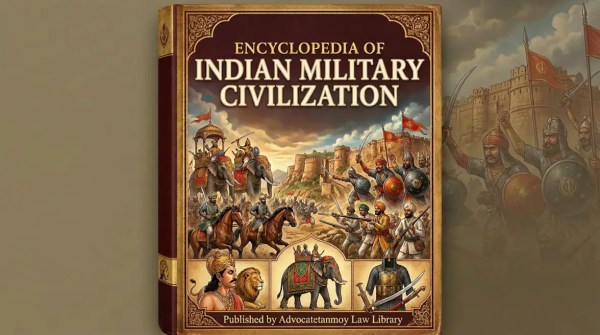
Bengali Brahmins have historically eaten fish and sometimes mutton (goat meat) for centuries, even tracing this habit back to early Vedic periods, and within their own cultural framework, these foods are still regarded as compatible with a sattvic lifestyle. Likewise, the Indian military consumes foods that supply strength, vitality, and endurance, and by the Gita’s qualitative standard, such foods support sattvic qualities of courage, health, and clarity essential for duty.
It is historically known that Kshatriyas, including figures like Rama and Krishna, belonged to a warrior class whose duties required strength, endurance, and readiness for battle. The Gita was not delivered to promote passivity or extreme non-violence; rather, Krishna’s teaching was intended to awaken Arjuna’s courage and restore his warrior spirit when he hesitated out of misplaced softness and confusion. Every instruction in the Gita aims to inspire Arjuna to stand firm, overcome weakness, and confront powerful opposition with clarity and righteousness. In wartime, Krishna and Arjuna would eat according to the military manuals and dietary norms taught by elders like Bhishma and Drona, aligned with what supported endurance, clarity, discipline, and effectiveness in battle.
Within the Vedic conception of social and moral order, the cow occupied an exceptional position, and the killing of a cow was treated not as an ordinary act of slaughter but as a grave violation of dharma, social order and the protection owed to the productive life of the community. The cow was associated with nourishment, wealth, agriculture, ritual economy and continuity of household life, and the term aghnyā—“that which ought not to be killed”—became one of the significant Vedic expressions associated with the protected cow. The Vedic tradition developed a powerful cultural prohibition against cow-killing, subsequently reinforced through Brāhmaṇical law, Smṛti literature, epic tradition, Purāṇic narratives, regional custom and later Hindu practice. Within this normative framework, a person who deliberately killed a cow could be treated as a grave offender and excluded from the social community, while protection of cattle could become a legitimate duty of other members of society.
The classification of a cow as amedhya, in traditions where the term is applied in this sense, signifies its exclusion from sacrificial use and must be distinguished from animals that occur in particular Vedic sacrificial prescriptions. The religious memory of Viṣṇu as protector and guardian of the cattle, and the later and enormously influential image of Kṛṣṇa as Gopāla and Govinda, the herdsman and protector of cows, further transformed cow protection into a central symbol of the preservation of life, prosperity and civilisation. In the wider Hindu ethical imagination, go-hatyā came to be regarded as an offence of extraordinary gravity, and in several later legal and religious traditions it was treated as more heinous than ordinary homicide because the cow represented not merely an individual animal but a continuing source of nourishment, agricultural wealth, ritual economy and social sustenance. The history of go-rakṣā is not confined to a single verse or later sectarian sentiment; it forms part of a long civilisational development in which the cow became a protected institution of Vedic society, agrarian economy, religious life and Hindu moral consciousness.
Sarvarthapedia Conceptual Knowledge Network
Core Concept: Vedic Food Law and the Philosophy of Āhāra
Āhāra
Food is treated in the Bhagavad Gita 17.7–17.10 as part of the wider structure of sattva, rajas and tamas, alongside yajña, tapas and dāna. The Gita’s classification is therefore a philosophical classification of food by quality, condition and effect, rather than merely a modern catalogue of permitted and prohibited ingredients.
Sāttvika Āhāra
Āyuḥ → Sattva → Bala → Ārogya → Sukha → Prīti
The central characteristics of sāttvika food are longevity, vitality or clarity, strength, health, happiness and contentment, together with qualities described as rasyāḥ, snigdhāḥ, sthirāḥ, hṛdyāḥ.
Rājasic Āhāra
Excess → Stimulation → Discomfort → Disease
The Gita associates excessive bitterness, sourness, saltiness, heat, pungency, dryness and burning qualities with rajas, linking them to duḥkha, śoka and āmaya—pain, distress and disease.
Tāmasic Āhāra
Staleness → Loss of Rasa → Putrefaction → Impurity → Tamas
Yāta-yāma, gata-rasa, pūti, paryuṣita, ucchiṣṭa and amedhya form the principal vocabulary of the Gita’s description of tamasic food. The emphasis falls upon degradation, staleness, foulness, leftovers and ritual impurity.
Food and the Three Guṇas
Sattva
Clarity → Health → Strength → Knowledge → Discipline
Rajas
Intensity → Desire → Agitation → Pain → Disease
Tamas
Decay → Stagnation → Impurity → Inertia → Confusion
Svabhāva and Food Preference
Person → Preference → Food → Body → Mind → Conduct
The classification begins from the proposition that food preferred by a person is itself threefold. Food consequently becomes part of a larger inquiry into human disposition and the operation of the guṇas.
Fresh Food and Animal Food
Freshness as a Vedic Food Principle
Fresh → Nourishing → Stable → Health-supporting
Decomposition as a Tamasic Principle
Stale → Tasteless → Putrid → Rotten → Impure
This distinction is central to the discussion of fresh chicken, fresh mutton and fresh fish. The Gita’s explicit tamasic vocabulary concerns the condition and quality of food; it does not name chicken, mutton or fish individually in verses 17.8–17.10. The conceptual distinction is therefore between fresh and deteriorated food, while the separate question of whether animal food is permissible belongs to wider Vedic, Smṛti, Śrauta, regional and sectarian traditions.
Fresh Fish
Fish → Freshness → Preparation → Nourishment → Regional Food Culture
Fresh Chicken
Chicken → Freshness → Cooking → Strength → Household or Military Diet
Fresh Mutton
Mutton → Animal Food → Nourishment → Kṣatriya / Household Context → Dietary Discipline
Garlic, Onion and Later Dietary Classification
Garlic
Laśuna → Later Dietary Traditions → Yoga → Brahmacharya → Bhakti Discipline
Onion
Palāṇḍu → Later Food Discipline → Ritual Practice → Sectarian Dietary Rules
Gita versus Later Food Lists
Gita 17.7–17.10 → Qualitative Classification
Later Traditions → Ingredient-Specific Classification
This distinction is essential for Sarvarthapedia. Garlic and onion are not named by Krishna in the four verses under discussion. Their prohibition in particular Hindu traditions belongs to a broader historical development of dietary disciplines. A later tradition may prohibit an ingredient without that prohibition being a direct quotation from the Bhagavad Gita.
Vedic Food Law
Śruti
Veda → Mantra → Yajña → Agni → Offering → Deva
Śrauta Food Regulation
Ritual → Qualification → Purity → Offering → Consumption
Smṛti
Dharma → Social Regulation → Food Rules → Purity → Penalty
Āśrama-Dharma
Brahmacharya → Gṛhastha → Vānaprastha → Sannyāsa
Varṇa-Dharma
Brāhmaṇa → Kṣatriya → Vaiśya → Śūdra
Food practice therefore intersects with Āśrama, Varṇa, ritual status, occupation, health, geography and religious discipline rather than functioning as a single universal menu.
Vedic Sacrifice and Food
Yajña
Food → Offering → Agni → Deva → Yajña-śeṣa
Agni
Ṛgveda 1.1 → Purohita → Havyavāhana → Mediator → Deva
The opening of the Ṛgveda, “agnim īḷe purohitam”, establishes Agni at the beginning of the Vedic sacrificial vision. This provides a conceptual bridge between food, sacrifice, offering and divine order.
Yajña-śeṣa
Sacrifice → Consecration → Ritual Consumption → Communal Distribution
Naivedya
Temple Tradition → Deity → Offering → Prasāda
Śrauta Yajña and Temple Offering
Śrauta System ≠ Later Temple Ritual
The two traditions may be historically related but should not be collapsed into a single ritual mechanism.
Animal Food and Vedic Civilization
Animal Sacrifice
Paśu → Yajña → Mantra → Ritual Regulation → Sacrificial Order
Aśvamedha
Horse → Kingship → Sovereignty → Rāṣṭra → Royal Sacrifice
Soma Yajña
Soma → Yajña → Ritual Consumption → Sacrificial Community
Ritual Meat versus Ordinary Meat
Sacrificial Context → Ritual Law
Domestic Context → Household Custom
Ascetic Context → Restriction
Warrior Context → Physical Requirement
Cow Protection
Holy Cow
Cow → Nourishment → Agriculture → Wealth → Ritual Economy → Civilisation
Go-Rakṣā
Cow Protection → Dharma → Social Protection → Agrarian Order
Aghnyā
Cow → “Not to be Killed” → Protection
Go-Hatyā
Cow Killing → Grave Offence → Social and Religious Sanction
Cow and Sacrifice
Go → Protection → Amedhya / Non-Sacrificial Status
The cow occupies a distinctive place within the later development of Hindu moral, economic and ritual consciousness. The history of go-rakṣā connects food law with agriculture, property, wealth, religious symbolism and social order.
Viṣṇu, and Cow Protection
Vedic Viṣṇu
Viṣṇu → Cosmic Stride → Preservation → Order
Viṣṇu and Cattle
Viṣṇu → Protection → Pastoral Wealth → Cosmic Order
Kṛṣṇa
Kṛṣṇa → Gopāla → Govinda → Go-rakṣā → Vṛndāvana
Gopāla
Gopa → Go → Protection → Pastoral Society → Kṛṣṇa
The later image of Kṛṣṇa as Gopāla and Govinda makes cow protection one of the most powerful religious images in Hindu civilisation, linking divinity, pastoral life, nourishment, protection and sacred geography.
Kṣatriya and Food
Kṣatriya
Rāṣṭra → Śastra → Bala → Endurance → Protection
Warrior Diet
Physical Strength → Endurance → Military Readiness → Duty
Rāma
Kṣatriya → Rāma → Rājarṣi Ideal → Protection of Dharma
Kṛṣṇa
Kṣatriya World → Political Intelligence → Dharma → Kurukṣetra
Arjuna
Warrior → Confusion → Gita → Knowledge → Duty → Yuddha
The Bhagavad Gita cannot be separated from the problem of Kṣatriya duty. Its setting is the battlefield of Kurukṣetra, and Krishna’s instruction is directed toward restoring Arjuna’s capacity to perform his duty rather than converting him into a renunciant.
Brahmacharya and Sannyāsa
Brahmachārin
Vedic Study → Restraint → Purity → Discipline → Food Regulation
Sannyāsin
Renunciation → Austerity → Sense-Control → Dietary Restriction
Gṛhastha
Household → Agriculture → Production → Food → Family → Society
Kṣatriya Household
Strength → Protection → Administration → Warfare → Food
The same dietary rule cannot automatically be transferred from Sannyāsa to Gṛhastha, or from an ascetic discipline to a warrior’s life. This produces an important Sarvarthapedia connection between food law and Āśrama-dharma.
Bengali Food Civilization
Bengal Food Culture
River System → Fish → Agriculture → Rice → Household Economy
Bengali Brahmin Food Culture
Brahmin Identity → Regional Custom → Fish → Household Tradition
Fish in Bengal
Ganga-Brahmaputra Delta → Fisheries → Food Culture → Social Custom
The historical acceptance of fish among sections of Bengali Brahmin society demonstrates the regional differentiation of Hindu food practices. The history of Indian food cannot be reconstructed from a single pan-Indian dietary model.
Food and Medical Reasoning
Āhāra
Food → Digestion → Body → Strength → Health
Ārogya
Health → Food → Physical Capacity → Mental Capacity
Disease
Excess → Improper Preparation → Physiological Disturbance → Āmaya
Moderation
Quantity → Frequency → Individual Constitution → Health
The Gita’s food classification therefore intersects naturally with the broader Indian intellectual traditions of Āyurveda, bodily discipline and moderation, although the Gita and Āyurvedic literature must not be treated as identical systems.
Food and Consciousness
Food
Matter → Body → Mind → Disposition → Action
Sattva
Food → Purity → Knowledge → Discrimination
Rajas
Food → Stimulation → Desire → Activity → Attachment
Tamas
Food → Decay → Inertia → Confusion
This is the deepest conceptual connection in the Gita’s food doctrine: food is not merely consumed by the body; it participates in the condition of the person who acts, thinks, worships and performs dharma.
Food, Dharma and Civilisation
Food Law
Āhāra → Śarīra → Mind → Conduct → Dharma
Dharma
Individual → Family → Society → Rāṣṭra → Civilisation
Rāṣṭra
Agriculture → Cattle → Food → Wealth → Defence → Political Order
Civilisation
Food Production → Animal Protection → Agriculture → Ritual → Social Order → State
Central Sarvarthapedia Knowledge Chain
The Complete Conceptual Sequence
Āhāra → Śarīra → Bala → Ārogya → Sattva → Buddhi → Dharma → Karma → Rāṣṭra → Civilisation
Counter-Sequence
Degraded Food → Tamas → Inertia → Confusion → Weakness → Disorder → Adharma
Rajasic Sequence
Excess → Rajas → Agitation → Desire → Overactivity → Pain → Disease
Sattvic Sequence
Fresh/Nourishing Food → Health → Strength → Clarity → Knowledge → Discipline → Dharma
Vedic Civilisational Sequence
Agni → Yajña → Food → Yajña-śeṣa → Life → Agriculture → Go → Wealth → Rāṣṭra → Dharma
Core “See Also” Network
Bhagavad Gita
Chapter 17 → Śraddhā → Guṇa → Āhāra → Yajña → Tapas → Dāna
Vedic Food Law
Āhāra → Yajña → Agni → Śruti → Śrauta → Smṛti → Āśrama → Varṇa
Cow Protection
Go → Aghnyā → Go-rakṣā → Agriculture → Wealth → Dharma → Kṛṣṇa → Gopāla
Vedic Civilisation
Food → Agriculture → Cattle → Sacrifice → Household → Warrior → Rāṣṭra
Hindu Dietary Traditions
Vedic → Śrauta → Smṛti → Āyurvedic → Yogic → Bhakti → Regional
Yuddha Gita
Kṣatriya → Bala → Āhāra → Dharma → Yuddha → Rāṣṭra → Protection
Indian Military Civilization
Warrior → Strength → Endurance → Food → Discipline → Military Readiness → Rāṣṭra-Rakṣā
Sarvarthapedia Master Cluster
Matter
Food → Body → Agriculture → Animal → Environment
Life
Āyuḥ → Bala → Ārogya → Nourishment → Reproduction
Mind
Sattva → Rajas → Tamas → Buddhi → Manas → Consciousness
Dharma
Yajña → Tapas → Dāna → Āśrama → Varṇa → Social Order
Civilisation
Go → Agriculture → Food → Wealth → Rāṣṭra → Defence → Dharma
Transcendence
Āhāra → Śuddhi → Sattva → Jñāna → Viveka → Yoga → Mokṣa
Suggested Sarvarthapedia Cross-Links
Primary Articles
- Bhagavad Gita Chapter 17
- Sāttvika Āhāra
- Rājasic Āhāra
- Tāmasic Āhāra
- Vedic Food Law
- Āhāra in Vedic Civilization
- Yajña and Food
- Agni as Vedic Mediator
- Yajña-śeṣa
- Go-Rakṣā
- Go-Hatyā
- Aghnyā
- Vedic Cow Protection
- Kṛṣṇa as Gopāla
- Kṣatriya Food and Warrior Culture
- Brahmacharya and Food Discipline
- Sannyāsa and Food Discipline
- Bengali Brahmin Food Culture
- Fish in Bengal
- Garlic in Hindu Dietary Traditions
- Onion and Hindu Food Law
- Vedic Animal Sacrifice
- Aśvamedha
- Soma Yajña
- Vedic Ritual Purity
- Amedhya
- Śrauta Tradition
- Smṛti Food Regulations
- Āyurveda and Āhāra
- Food, Sattva and Consciousness
- Food and Dharma
- Food and Rāṣṭra
- Yuddha Gita
- Indian Military Civilization
- Vedic Civilisation
- Cow Protection
श्रीमद्भगवद्गीता (Explanation of Bhagavad Gita Chapter 17.7-17.10)
आहारस्त्वपि सर्वस्य त्रिविधो भवति प्रियः
यज्ञस्तपस्तथा दानं तेषां भेदमिमं शृणु 17.7
Sri Ramanuja: आहारः अपि सर्वस्य प्राणिजातस्य सत्त्वादिगुणत्रयान्वयेन त्रिविधः प्रियो भवति। तथा एव यज्ञः अपि त्रिविधः? तथा तपो दानं च। तेषां भेदम् इमं श्रृणु — तेषाम् आहार यज्ञतपोदानानां सत्त्वादि गुणभेदेन इमम् उच्यमानं भेदं श्रृणु।
Sri Shankaracharya: आहारस्त्वपि सर्वस्य भोक्तुः प्राणिनः त्रिविधो भवति प्रियः इष्टः? तथा यज्ञः तथा तपः? तथा दानम्। तेषाम् आहारादीनां भेदम् इमं वक्ष्यमाणं श्रृणु।।
Sri Vallabhacharya: ।।अथ पुनरपि प्रकृतमेव शास्त्रीयेषु वैदिकेषु यागादिषु गुण भेदतोऽपि विशेषं प्रपञ्चयति लौकिकेषु त्वाहारमूलत्वात्सत्त्वादिवृद्धेरित्याह — आहारस्त्विति। त्रिविधः प्रियः। तथा यज्ञस्तपो दानं चेति त्रितयं श्रौतशास्त्रीयं तेषां भेदमिमं वक्ष्यमाणं शृणु।
आयुःसत्त्व बलारोग्य सुखप्रीति विवर्धनाः
रस्याः स्निग्धाः स्थिरा हृद्या आहाराः सात्त्विक प्रियाः 17.8
Sri Madhavacharya: प्रीतिरनन्तरिका। हृद्यत्वं दर्शने। स्थिराश्च न तदैव पक्वा भवन्ति। तथा ह्याज्यादयः।
Sri Ramanuja: सत्त्वगुणोपेतस्य सत्त्वमया आहाराः प्रिया भवन्ति। सत्त्वमयाः च आहारा आयुर्विवर्धनाः पुनः अपि सत्त्वस्य विवर्धनाः। सत्त्वम् अन्तःकरणम्? अन्तःकरणकार्यं ज्ञानम् इह सत्त्वशब्देन उच्यते।सत्त्वात्सञ्जायते ज्ञानम् (गीता 14।17) इति सत्त्वस्य ज्ञानविवृद्धिहेतुवचनात्। आहारः अपि सत्त्वमयो ज्ञानविवृद्धिहेतुः।तथा बलारोग्ययोः अपि विवर्धनाः? सुखप्रीत्योः अपि विवर्धनाः। परिणामकाले स्वयम् एव सुखस्य विवर्धनाः? तथा प्रीतिहेतुभूतकर्मारम्भद्वारेण प्रीतिवर्धनाःरस्याः मधुररसोपेताः? स्निग्धाः स्नेहयुक्ताः? स्थिराः स्थिरपरिणामाः? हृद्याः रमणीयवेषाः? एवंविधाः सत्त्वमया आहाराः? सात्त्विकस्य पुरुषस्य प्रियाः।
Sri Vallabhacharya: तत्र प्रथममाहाराः — आयुरिति। सत्त्वगुणोपेतस्य सत्त्वमया आहाराः प्रिया भवन्ति। ते चायुर्विवर्द्धनाः — सत्त्वोपलक्षितं ज्ञानं तदादिवर्द्धनाश्च। रस्याः मधुरसोपेताः स्नेहयुक्ताश्च? स्थिराः स्थिरपरिणामाः? हृद्या रम्यस्वरूपाः एवंविधा अन्नरूपा आहाराः सात्त्विकप्रियाः सत्त्वजनकाः प्रियाः सात्त्विकानां वा प्रियाः? क्षेमकरा इति तात्पर्यार्थः।
Sri Shankaracharya: आयुश्च सत्त्वं च बलं च आरोग्यं च सुखं च प्रीतिश्च आयुःसत्त्व बलारोग्य सुखप्रीतयः तासां विवर्धनाः आयुःसत्त्वबलारोग्य सुखप्रीति विवर्धनाः? ते च रस्याः रसोपेताः? स्निग्धाः स्नेहवन्तः?
स्थिराः चिरकाल स्थायिनः देहे? हृद्याः हृदयप्रियाः आहाराः सात्त्विकप्रियाः सात्त्विकस्य इष्टाः।।
कट्वम्ललवणात्युष्णतीक्ष्ण रूक्षविदाहिनः
आहारा राजसस्येष्टा दुःखशोकामयप्रदाः 17.9
Sri Ramanuja: यद्यपि परम्परया मोक्षसाधनभूतं कर्म तथापि दुःखात्मक द्रव्यार्जनसाध्यत्वात् बह्वायासरूपतया कायक्लेश करत्वात् च मनसः अवसादकरम् इति तद्भीत्या योग निष्पत्तये ज्ञानाभ्यास एव यतनीय इति यो महायज्ञाद्याश्रम कर्म परित्यजेत् स राजसं रजोमूलं त्यागं कृत्वा तद् अयथा अवस्थित शास्त्रार्थरूपम् इति ज्ञानोत्पत्तिरूपं त्यागफलं न लभेत्।अयथावत्प्रजानाति बुद्धिः सा पार्थ राजसी।। (गीता 18।31) इति हि वक्ष्यते। न हि कर्म दृष्टद्वारेण मनःप्रसादहेतुः। अपि तु भगवत्प्रसादद्वारेण।
Swami Ramsukhdas: अति कड़वे, अति खट्टे, अति नमकीन, अति गरम, अति तीखे, अति रूखे और अति दाहकारक आहार अर्थात् भोजनके पदार्थ राजस मनुष्यको प्रिय होते हैं, जो कि दुःख, शोक और रोगोंको देनेवाले हैं।
यातयामं गतरसं पूति पर्युषितं च यत्
उच्छिष्टमपि चामेध्यं भोजनं तामसप्रियम् 17.10
Sri Ramanuja: यातयामं चिरकालावस्थितम्? गतरसं त्यक्तस्वाभाविकरसम्? पूतिदुर्गन्धोपेतम्? पर्युषितं कालातिपत्त्या रसान्तरापन्नम्? उच्छिष्टं गुर्वादिभ्यः अन्येषां भुक्तशिष्टम्? अमेध्यम् अयज्ञार्हम्? अयज्ञशिष्टम् इत्यर्थः एवविधं तमोमयं भोजनं तामसप्रियं भवति। भुज्यते इत्याहार एव भोजनम्? पुनश्च तमसो वर्धनम्। अतो हितैषिभिः सत्त्ववृद्धये सात्त्विकाहार एव सेव्यः।
Sri Shankaracharya: यातयामं मन्द पक्वम्? निर्वीर्यस्य गतरसशब्देन उक्तत्वात्। गतरसं रसवियुक्तम्? पूति दुर्गन्धि? पर्युषितं च पक्वं सत् रात्र्यन्तरितं च यत्? उच्छिष्टमपि च भुक्तशिष्टम् उच्छिष्टम्? अमेध्यम् अयज्ञार्हम्? भोजनम् ईदृशं तामसप्रियम्।।
Swami Ramsukhdas: जो भोजन अधपका, रसरहित, दुर्गन्धित, बासी और उच्छिष्ट है तथा जो महान् अपवित्र भी है, वह तामस मनुष्यको प्रिय होता है।
Food, sacrifice, austerity, and charity are preferred in three ways by all beings according to the three qualities of nature—sattva, rajas, and tamas. Listen to the distinctions among them (17.7)
Ramanuja: The food liked by all living beings is threefold according to the qualities of sattva, rajas, and tamas. Sacrifice, austerity, and charity are also threefold in this way. Listen to the differences among them as they are explained according to these qualities.
Shankaracharya: For every embodied being, food that is liked is threefold according to the three qualities. The same is true for sacrifice, austerity, and charity. Listen to the distinctions among these as they are being described.
Vallabhacharya: The scripture further explains differences in Vedic sacrifices based on these qualities. Because everyday life begins with food, it first explains the distinctions of food arising from the three qualities. Food, as well as sacrifice, austerity, and charity, is of three kinds. Listen to the distinctions being taught.
Foods that increase life, purity, strength, health, happiness, and contentment; foods that are flavorful, unctuous, nourishing, and pleasing—these are dear to those who are sattvic. (17.8)
Madhavacharya: Such foods naturally produce satisfaction. “Pleasing” here includes even visual appeal. “Steady” means that they do not spoil quickly, like clarified butter.
Ramanuja: Persons are influenced by sattva like foods that arise from sattva. These foods increase lifespan, purity of mind, strength, health, happiness, and contentment. “Purity” here refers to clarity of the inner instrument—knowledge—because knowledge arises from sattva. Therefore, such food promotes knowledge. These foods are sweet, pleasant, naturally oily, stable in their effects, and pleasing in appearance. Such foods are cherished by sattvic people.
Vallabhacharya: People endowed with sattva love foods that increase longevity and the knowledge associated with sattva. These foods are sweet, nourishing, steady in their effect, and attractive in form. Such foods generate or support sattva and are wholesome.
Shankaracharya: Foods that increase life, purity, strength, health, happiness, and affection—foods that are flavorful, unctuous, long-lasting in the body, and pleasing to the heart—are favored by the sattvic.
Foods that are excessively bitter, sour, salty, very hot, pungent, dry, and burning are preferred by those who are rajasic, and they cause pain, sorrow, and disease. (17.9)
Ramanuja (contextual remark): Actions performed with attachment and strain, motivated by fear of physical discomfort or mental dissatisfaction, are rajasic. Such rajasic tendencies impede clarity and do not lead to the true result of renunciation.
Swami Ramsukhdas: Extremely bitter, extremely sour, very salty, very hot, very pungent, very dry, and burning foods are liked by rajasic persons and produce pain, grief, and disease.
Food that is stale, tasteless, putrid, decomposed, leftover from others’ eating, or impure is dear to people in tamas (17.10)
Ramanuja: Food kept too long, food that has lost its natural taste, food that has become foul-smelling, food spoiled by time, leftovers from others’ plates, and food not fit for a sacred offering—all such food is tamasic and increases tamas. Therefore, those seeking well-being should choose sattvic food.
Shankaracharya: Food improperly cooked, devoid of vitality, tasteless, foul-smelling, kept overnight, leftovers, and food unfit for ritual use is preferred by the tamasic.
Swami Ramsukhdas: Food that is undercooked, tasteless, foul, stale, leftover, or highly impure is liked by tamasic persons.