Sun. Jun 7th, 2026

Christology

Evolution of Fusion ‘Christology’

Evolution of Fusion ‘Christology’

The New Testament does not explicitly define “Christology,” but it implies teachings about Jesus’ identity and nature through narratives and proclamations. Various texts, such as the Gospels and letters from Paul, reveal both His divinity and humanity, culminating in significant theological developments during early Church councils like Nicaea and Chalcedon. These discussions emerged from different interpretations of Jesus as both divine and human. Diverse portrayals across the Synoptic Gospels and John’s Gospel lead to potential confusion regarding Christ’s nature. This complexity has prompted ongoing theological debates about the relationship between Jesus’ divine and human aspects.

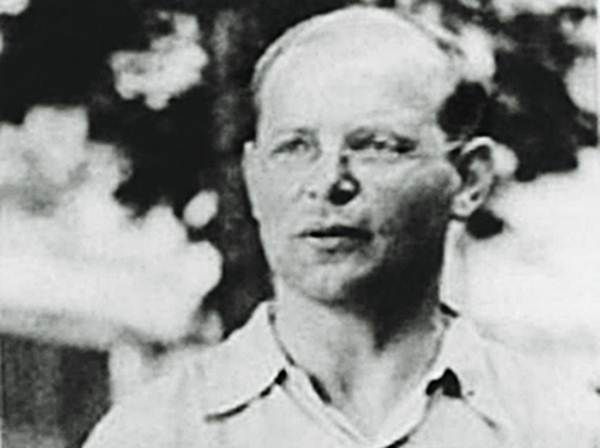
Dietrich Bonhoeffer-by Dallas M. Roark (1972)

Dietrich Bonhoeffer-by Dallas M. Roark (1972)

Christology stands out as the central feature in Bonhoeffer. With one stroke he cut down the controversies centering around the Incarnation. We are concerned with Who, not how in the Incarnation. This is true in the church also. We cannot ask the question “How is Christ in the church?” but “Who speaks to us in the church?” Doctrine was important for Bonhoeffer. He was not a narrow doctrinaire creature who could not allow doctrinal differences, but eventually doctrine became a life and death issue in the Confessing Church’s struggle in Germany. The issue was as important as the survival of the church. Doctrine is that important. Christology is the center of doctrine. His controversial utterance, “Whoever knowingly separates himself from the Confessing Church in Germany separates himself from salvation,” stressed both the importance of doctrine as well as the idea that separation from the church is equal to cutting oneself off from Christ who exists in the church.