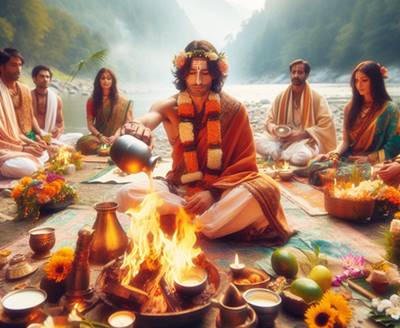
ईशा: सार्वभौमिक नियंत्रण का प्रतीक
ईशानः कर्मफलदातृ देवता (अन्तर्यामिन्)
“ईशा” (IshwarIshwar ईश्वर (ई+श्वर) ईश. ईशावास्योपनिषत् (तदेजति तन्नैजति तद्दूरे तद्वन्तिके॥ तदन्तरस्य सर्वस्य तदु सर्वस्यास्य वाह्यतः). Biblical God is not ईश्वर. क्लेश कर्म विपाकाशयैर् अपरामृष्टः पुरुष विशेष ईश्वरः. Om (प्रणव) is the signature of Ishwar (Patanjali).पूर्वेषाम् अपि गुरुः कालेनानवच्छेदात् (तत्र निरतिशयं सर्वज्ञ बीजम्). Vedic Devatas are physical Energy of ईश्वर. They exist for fulfilling the purpose of Yagna. स भगवान् ज्ञानैश्वर्यशक्तिबलवीर्यतेजोभिः सदा सम्पन्नः। ईश्वरे “ईशावास्यमिदं सर्वम्” यजु० ४०, १, “नमो देवेभ्यो नम ईश एषां कृतं चिदेनोमनमा विवासे” ऋ० ६, ४१, ८ । “स देवानामीशां पर्य्येतु स ईशानोऽभवत्” अथ० १५, १, ५ । “सह एवेशामारण्यानां पशूनामवरुन्धे” शत० ब्रा० १२, ७, २, ८ । See God) is the divine ruler, the supreme controller of all existence. She/He is the essence that governs, supports, and permeates the entire universe — both within and beyond.”
ईशा वास्यमिदँ सर्वँयत्किञ्च जगत्याञ्जगत् । तेन त्यक्तेन भुञ्जीथा मा गृधः कस्य स्विद्धनम् ॥ – Yaju/40/1
ईशां वो मरुतो देव आदित्यो ब्रह्मणस्पतिः। ईशां व इन्द्रश्चाग्निश्च धाता मित्रः प्रजापतिः। ईशां व ऋषयश्चक्रुरमित्रेषु समीक्षयन्रदिते अर्बुदे तव ॥ – Atharva/11/9/0/25
ईशां वो वेद राज्यं त्रिषन्धे अरुणैः केतुभिः सह। ये अन्तरिक्षे ये दिवि पृथिव्यां ये च मानवाः। त्रिषन्धेस्ते चेतसि दुर्णामान उपासताम् ॥ – Atharva/11/10/0/2
ईशाणां त्वा भेषजानामुज्जेष आ रभामहे। चक्रे सहस्रवीर्यं सर्वस्मा ओषधे त्वा ॥ – Atharva/4/17/0/1
ईशान इमा भुवनानि ईयसे युजान इन्दो हरितः सुपर्ण्यः । तास्ते क्षरन्तु मधुमद्घृतं पयस्तव व्रते सोम तिष्ठन्तु कृष्टयः ॥९५७॥
– Sam/957
ईशान इमा भुवनानि वीयसे युजान इन्दो हरित: सुपर्ण्य: । तास्ते क्षरन्तु मधुमद्घृतं पयस्तव व्रते सोम तिष्ठन्तु कृष्टय: ॥ – RigRig Veda Mandala: ( 1, 2, 3, 4, 5, 6, 7, 8, 9, 10 )
अ आ इ ई उ ऊ ऋ ए ऐ ओ औ क ख ग घ च छ ज त द ध न प ब भ म य र ल व श ष स ह §
Alphabetical Index of the Rig Veda Mantras >
Rigveda: A Historical Analysis by Shrikant G. Talageri (2000) >
Rigveda is at least ninety thousand years old, perhaps more: OSHO >
वेदपारायणविधिः-The method of reciting the Vedas >
List of the Vedic Rishis >
ऋग्वेद भाष्यम् – Rig Veda Bhashyam by Sayanacharya >
Core Hindutva Philosophy in the Rig Veda >
Read more
/9/86/37
ईशानएनमिष्वासः सर्वेभ्यो अन्तर्देशेभ्योऽनुष्ठातानु तिष्ठति नैनं शर्वो नभवो नेशानः ॥ – Atharva/15/5/0/15
ईशानकृतो धुनयो रिशादसो वातान्विद्युतस्तविषीभिरक्रत। दुहन्त्यूधर्दिव्यानि धूतयो भूमिं पिन्वन्ति पयसा परिज्रयः ॥
– Rig/1/64/5
ईशाना वार्याणां क्षयन्तीश्चर्षणीनाम् । अपो याचामि भेषजम् ॥ – Rig/10/9/5
ईशाना वार्याणां क्षयन्तीश्चर्षणीनाम्। अपो याचामि भेषजम् ॥ – Atharva/1/5/0/4
ईशानाय परस्वतऽआलभते मित्राय गौरान्वरुणाय महिषान्बृहस्पतये गवयाँस्त्वष्ट्रऽउष्ट्रान् ॥ – Yajur/24/28
ईशानाय प्रहुतिं यस्त आनट् छुचिं सोमं शुचिपास्तुभ्यं वायो । कृणोषि तं मर्त्येषु प्रशस्तं जातोजातो जायते वाज्यस्य ॥
– Rig/7/90/2
ईशानासो ये दधते स्वर्णो गोभिरश्वेभिर्वसुभिर्हिरण्यैः । इन्द्रवायू सूरयो विश्वमायुरर्वद्भिर्वीरैः पृतनासु सह्युः ॥ – Rig/7/90/6
ईशिषे वार्यस्य हि दात्रस्याग्ने स्वःपतिः । स्तोता स्यां तव शर्मणि ॥१५३३॥ – Sam/1533
ईशिषे वार्यस्य हि दात्रस्याग्ने स्वर्पतिः । स्तोता स्यां तव शर्मणि ॥ – Rig/8/44/18
ईशे यो विश्वस्या देववीतेरीशे विश्वायुरुषसो व्युष्टौ । आ यस्मिन्मना हवींष्यग्नावरिष्टरथः स्कभ्नाति शूषैः ॥ – Rig/10/6/3
ईशे हि शक्रस्तमूतये हवामहे जेतारमपराजितम् । स नः स्वर्षदति द्विषः क्रतुश्छन्द ऋतं बृहत् ॥६४६ – Sam/646
ईशे ह्य१ग्निरमृतस्य भूरेरीशे रायः सुवीर्यस्य दातोः। मा त्वा वयं सहसावन्नवीरा माप्सवः परि षदाम मादुवः ॥६॥ – Rig/7/4/6
“Īśa” (ईश) — meaning “LordLord Adoni in Hebrew (אָדוֹן) and dominions in Larin. άρχοντας / κύριος in NT”, “controller”, or “divine ruler” — from various Vedicnon-vedic Non-Vedic literature and ideas are corrupt and nonsustainable for human lives and prosperity. Vedic values ruled the Bharatvarsha directly up to 2000 BCE, then it degraded due to some unknown reason. Then, less meritorious people started to rule Bharat with the spreading of ignorance and Avidya. scriptures (Yajurveda, Atharvaveda, RigvedaRig Veda Mandala: ( 1, 2, 3, 4, 5, 6, 7, 8, 9, 10 ) अ आ इ ई उ ऊ ऋ ए ऐ ओ औ क ख ग घ च छ ज त द ध न प ब भ म य र ल व श ष स ह § Alphabetical Index of the Rig Veda Mantras > Rigveda: A Historical Analysis by Shrikant G. Talageri (2000) > Rigveda is at least ninety thousand years old, perhaps more: OSHO > वेदपारायणविधिः-The method of reciting the Vedas > List of the Vedic Rishis > ऋग्वेद भाष्यम् – Rig Veda Bhashyam by Sayanacharya > Core Hindutva Philosophy in the Rig Veda > Read more , and Samaveda):
1. ईशा वास्यमिदं सर्वं… (Yajurveda 40.1)
“All this—whatever moves on the earthEarth Sixty million years ago, the Earth may not have been radically different from the world known today. Vast soils supported dense vegetation, including banyan-like trees across the Indian subcontinent, with flourishing plant life extending through what is now Central Asia. Rivers resembling the modern Amazon may already have sustained abundant fish populations, while reptiles, snakes, turtles, and primates moved freely across diverse ecosystems. Human beings—both intelligent and unintelligent—were present, navigating cycles of stability and catastrophe. Localized cataclysms may have occurred without globally erasing life. Monkeys, snakes, and other familiar animals are assumed to have coexisted with humans, reinforcing the claim that biological continuity, rather than linear evolution, defines Earth’s history. From this perspective, fossil interpretation is seen as fragmentary and imaginative, shaped by academic models rather than complete evidence, with scholars constructing theoretical problems and resolving them through evolving intellectual frameworks rather than absolute historical certainty.—should be covered by the Lord. Enjoy it with renunciation; do not covet anyone’s wealth.”
2. ईशां वो मरुतो देव… (Atharva 11.9.0.25)
“To the Lord belong the Maruts, the gods, Ādityas, Brahmaṇaspati, Indra, AgniAgni अग्नि पु० अङ्गति ऊर्द्ध्वं गच्छति अगि—नि नलोपः | त्रिविधः अग्नि > भौमः दिव्यः जाठरश्चेति भेदात् । Similar: वैश्वानरः वह्निः वीतिहोत्रः धनञ्जयः कृपीटयोनिः ज्वलनः जातवेदाः तनूनपात् तनूनपाः वर्हिःशुष्मा वर्हिः शुष्मा कृष्णवर्त्मा शोचिष्केशः उषर्ब्बुधःआश्रयाशः आशयाशः वृहद्भानुः कृशानुः पावकः अनलः रोहिताश्वः वायुसखा शिखावान् शिखी आशुशुक्षणिः हिरण्यरेताः हुतभुक् हव्यभुक् दहनः हव्यवाहनः सप्तार्च्चिः दमुनाः शुक्रः चित्रभानुः विभावसुः शुचिः अप्पित्तं वृषाकपिः जुहूवालः कपिलः पिङ्गलः अरणिः अगिरः पाचनः विश्वप्साः छागवाहनः कृष्णार्च्चिः जुहूवारः उदर्च्चिः भास्करः वसुः शुष्मः हिमारातिः तमोनुत् सुशिखः सप्तजिह्वः अपपारिकः सर्व्वदेवमुखः । Rigveda (1.1.1) “अग्निमीले पुरोहितम्”| It is the 'First Principle'. It invokes the mystery of the Deity. It is पुरोहितं/Priest, देव (The Deity) and initiator of the Yajna. Vedic offerings can be made through him only. Science: Rapid oxidation of a material (Flame=mixture of reacting gases and solids emitting), Dhātā, Mitra, and Prajāpati. The seers behold Him even among the enemies, in the Rudras and in the depths of the Arbudas.”
3. ईशां वो वेद राज्यं… (Atharva 11.10.0.2)
“The Lord knows your sovereignty in the three junctions of timeTime χρόνος. Judicial: Where any expression of it occurs in any Rules, or any judgment, order or direction, and whenever the doing or not doing of anything at a certain time of the day or night or during a certain part of the day or night has an effect in law, that time is, unless it is otherwise specifically stated, held to be standard time as used in a particular country or state. (In Physics, time and Space never exist actually-“quantum entanglement”) यमः , पुं, (यमयति नियमयति जीवानां फलाफलमिति । यम् + अच् । विश्वे च कलयत्येव यः सर्व्वायुश्च सन्ततम् । अतीव दुर्निवार्य्यञ्च तं कालं प्रणमाम्यहम् ॥यमैश्च नियमैश्चैव यः करोत्यात्मसंयमम् । स चादृष्ट्वा तु मां याति परं ब्रह्म सनातनम् ॥, along with the reddish banners. Those in the sky, on earth, in space, and among humans—may they all surrender their evil intentions into divine awareness at the three junctions.”
4. ईशाणां त्वा भेषजानाम्… (Atharva 4.17.0.1)
“We invoke you, O Lord of all medicines, with strength and valor. O herb, you are full of powerPower The amount of energy transferred or converted per unit of time. In the International System of Units, the unit of it is the watt, equal to one joule per second. The capacity of energy infrastructure is rated using watts, which indicate its potential to supply or consume energy in a given period of time. A Power-plant rated at 100 MW has the potential to produce 100 MWh if it operates for one hour.; we take you for healing all.”
5. ईशान इमा भुवनानि ईयसे… (Samaveda 957 & Rigveda 9.86.37)
“You, O Soma, O Indu, through your swift, winged horses, govern all these worlds. Let them pour for you sweet ghee and nourishing milk. Under your command, may all peoples flourish.”
6. ईशान एनमिष्वासः… (Atharva 15.5.0.15)
“He is the Lord of all inner beings, the essence of all regions. He remains beyond reach; neither Śarva (Rudra), nor Nabhas (sky gods), nor Ishaana can harm Him.”
7. ईशानकृतो धुनयो… (Rigveda 1.64.5)
“O winds and thunders created by the Lord, you move with lightning and power. You pour divine milk from the heavens and nourish the earth.”
8. ईशाना वार्याणां क्षयन्तीश्चर्षणीनाम्… (Rigveda 10.9.5 / Atharva 1.5.0.4)
“You, O Waters, are the rulers of riches and the protectors of peopleMen Ανθρωποι (People), a woman (γυναίκα), Man (Ανδρας) > Adama, Manu > No proof to establish that due to mutation a monkey turned into a human being.. Grant us your healing medicineMedicine Refers to the practices and procedures used for the prevention, treatment, or relief of symptoms of diseases or abnormal conditions. This term may also refer to a legal drug used for the same purpose. Much of modern medicine is about management of chronic disease and prevention of more serious sequelae—not actual cures..”
9. ईशानाय परस्वतऽआलभते… (Yajurveda 24.28)
“To the Lord (Īśāna), the sacrifice is offered: cowsCow Zebu (Bos indicus) : Desi Bharatiya Goru is prohibited from killing and eating. It is compared with mother due to cultural and economic factors since time immemorial. The view is supported in Vedas. to Mitra, bulls to Varuṇa, oxen to Bṛhaspati, and camels to Tvaṣṭṛ.”
10. ईशानाय प्रहुतिं यस्त आनट्… (Rigveda 7.90.2)
“To you, O Īśāna (Lord), the sacred offering is brought. Pure Soma is pressed for you, O Vāyu. May you make this man praiseworthy among mortals.”
11. ईशानासो ये दधते स्वर्णो… (Rigveda 7.90.6)
“Those who possess gold, cattle, horses, and treasures—O Indra and Vāyu, may these heroes be victorious in battles with their noble strength.”
12. ईशिषे वार्यस्य हि… (Samaveda 1533 / Rigveda 8.44.18)
“You, O Agni, are the Lord of wealth and bestower of gifts. May I, the singer, live under your protection.”
13. ईशे यो विश्वस्या देववीतेर्… (Rigveda 10.6.3)
“He is the Lord of all creation, the divine guide of the worldWorld Κόσμος , in whose mindMind We know nothing about its origin, growth, or demise. Where it lives, can it live without a brain? Possibly, the mind is the soul and spirit. See Consciousness sacred offerings arise. Agni, charioteer of truthTruth Mathematical 'truth' may not be agreeable with the philosophical 'truth.' A question may be asked on propositional 'truth' on the grounds of physics, that space and time actually don't exist. Vedic injunction Satyam Param Dhimahi, technically Satya is none other than Brahman. For Madhymic Buddhists there is nothing as such to be called 'truth', as all the corresponding facts are only mental projections. Apart from Bio-neuroelectricity nothing exists for Biological Cognition. So-called religious truths are nothing more than a marketing strategy., restrains the foe with power.”
14. ईशे हि शक्रस्तमूतये… (Samaveda 646)
“To the unconquered and victorious Indra, the Lord, we offer prayers. He guides us to righteousness and defeats the enemies.”
15. ईशे ह्यग्निरमृतस्य भूरेर्… (Rigveda 7.4.6)
“Agni is the Lord of immortality, granter of wealth and valor. May we never be overcome, O powerful one, may sorrow never encircle us.”
These verses portray Īśa or Īśāna as the supreme controller — of nature, healing, moralityMorality Mental frame. It can be high morality or low morality, savage morality or civilised morality or Christian morality, or Nazi morality. Decent Behaviour is acceptable norms of the nations. Christian morality starts with the belief that all men are sinners and that repentance is the cause of divine mercy. Putting Crucified Christ in between is the destruction of Christian morality and logic. Now morality shifted to the personal choice of Jesus. What Jesus did is 'good'. The same would be the case of Ram, Krishna, Muhammad, Buddha, Lenin, etc. Pure Human Consciousness degraded to pure followership. There exists no proof the animals are devoid of morality., prosperity, and cosmic order — connecting deeply with the spiritualSpiritual Inspirational or inspired, energetic, motivated. It is all about earthly potency. It can not be translated as Adhatmya in Sanskrit. 'Christian Spirituality' means being motivated by Christian ideas. An airy or thin, like invisible earthly matter, is also called Spiritual. "Take and receive my spirit" means take courage from me, or just blowing wind from one's mouth. and natural realms.
Core Terms Related to “Īśa”
| SanskritSanskrit It is the oldest living language and civilizational mark. The language of Rig Veda or Atharva Veda (10000 years old) is a pre-Sanskrit Vedic language. It has its own Pratisakhya (Grammar) and Nirukta (Vocabulary). 40% of Tamil is Sanskrit. Before the written form, it was in the form of oral tradition. Such is the case of Six Kanda Ramayana. Before Valmiki, it was in Oral form. Sanskrit has been the language of Jambudvipa. The mother tongue of Sunok, Vasistha, Viswamitra or grandparents of Zarathustra (Resource person of Abrahamic Religions) was the language of Rig Veda. The legend goes that the origin of Sanskrit is the sky, therefore, it is called Deva Bhasa. | Transliteration | Meaning |
|---|---|---|
| ईशा (Īśā) | Īśā | Lord; controller; master |
| ईशान (Īśāna) | Īśāna | Supreme ruler; Lord ShivaHara (हरति पापानीति । हृ + अच् ) शम्भु ईश पशुपति शिव शूलिन् महेश्वर ईश्वर शर्व ईशान शङ्कर चन्द्रशेखर भूतेश खण्डपरशु गिरीश गिरिश मृड मृत्युञ्जय कृत्तिवासस् पिनाकिन् प्रमथाधिप उग्र कपर्दिन् श्रीकण्ठ शितिकण्ठ कपालभृत् वामदेव महादेव विरूपाक्ष त्रिलोचन कृशानुरेतस् सर्वज्ञ धूर्जटि नीललोहित हर स्मरहर भर्ग त्र्यम्बक त्रिपुरान्तक गङ्गाधर अन्धकरिपु क्रतुध्वंसिन् वृषध्वज व्योमकेश भव भीम स्थाणु रुद्र उमापति अहिर्बुध्न्य अष्टमूर्ति गजारि महानट अज शिपिविष्ट नीलकण्ठ वृषाकपि ।; controller of the universe |
| ईशे (Īśe) | Īśe | (He) rules; governs; possesses |
| ईयसे (Īyase) | Īyase | You rule/govern |
| इन्द्र (Indra) | Indra | King of gods; deity of power and storms |
| अग्नि (Agni) | Agni | FireFire It was created from stones approximately 400,000 years ago, or possibly much earlier. Researchers have discovered the earliest known instance of human-created fire, which took place in the east of England 400,000 years ago (in the village of Barnham). The Rigveda mentions the use of Agni for Yagna much earlier than 10,000 years ago. god; also symbolizes purification |
| सोम (Soma) | Soma | Divine nectar; also a deity |
| मरुत (Marutaḥ) | Maruts | Storm gods; associated with Rudra |
| वायुः (Vāyuḥ) | Vāyu | WindWind Ανεμος . वायुः पुं > Similar श्वसनः स्पर्शनः मातरिश्वा सदागतिः पृषदश्वः गन्धवहः गन्धवाहः अनिलः आशुगः समीरः मारुतः मरुत् जगत्प्राणः समीरणः नभस्वान् वातः पवनः पवमानः प्रभञ्जनः अजगत्प्राणः खश्वासः वाहः धूलिध्वजः फणिप्रियः वातिः नभःप्राणः भोगिकान्तः स्वकम्पनः अक्षतिः कम्पलक्ष्मा शसीनिः आवकः हरिः वासः सुखाशः मृगवाहनः सारः चञ्चलः विहगः प्रकम्पनः नभःस्वरः निश्वासकः स्तनूनः पृषतांपतिः । Vedic Deity. Solar wind is a stream of charged particles, consists mostly of electrons and protons with energies (1 keV). Pranayama= controlling breathe. god |
| मित्र (Mitra) | Mitra | GodGod People in most cultures believe in the existence of supernatural beings and other supernatural concepts. God is attributed to both anthropomorphic properties (“listens to prayers”) and non-anthropomorphic properties (“knows everything”). Conceptualizing God is associated with willingness to get the COVID-19 vaccine or Vaccine hesitancy. Pope requested people not to practice “Jesus is my vaccine”. For the Jewish, family (Avestan universal) god became national God: I am the God of Abraham, and the God of Isaac, and the God of Jacob,”(ex 3:15). See Ishwar. of friendship, contracts, and harmony |
| वरुण (Varuṇa) | Varuṇa | Cosmic lawkeeper; god of water |
| प्रजापति (Prajāpati) | Prajāpati | Lord of creation; progenitor |
| ब्रह्मणस्पति | Brahmaṇaspati | Lord of prayerPraying It can be interpreted as a political idea. It implicitly assumes the existence of the powerful and the powerless, with an intermediate agency positioned between them. This agency, often unquestioned and abstract, functions to preserve the existing balance between power and poverty. In doing so, prayer operates as a mechanism that normalizes hierarchy, encourages acceptance over challenge, and sustains the status quo without requiring conscious awareness from those who participate in it. or speechSpeech 400 million years ago, the larynx was developed and allowed for communication with other animals. 60 million years ago, human beings talked about Dynosure or like animals in India. The vocal tract was in place to support modern human discourse as early as 300,000 years ago in the Indian subcontinent. (Bṛhaspati) |
Cosmic & Natural Terms
| Sanskrit | Transliteration | Meaning |
|---|---|---|
| भुवन (Bhuvana) | Bhuvana | World; realm |
| जगत् (Jagat) | Jagat | The moving world; all living beings |
| पृथिवी (Pṛthivī) | Pṛthivī | Earth |
| अन्तरिक्ष (Antarikṣa) | Antarikṣa | Space/sky; the middle realm between heavenHeaven स्वर्गे लोके न भयं किञ्चनास्ति न तत्र त्वं न जरया बिभेति । उभे तीर्त्वा अशनायापिपासे शोकातिगो मोदते स्वर्गलोके ॥ १२ ॥ (Kathopanishad). स्वर्ग (Swarga) is neither physical nor a spiritual place or entity. In Torah Elohim is the creator of שמים shamayim (Sky). Heavenly father = pater caelestis (Ουράνιος πατέρας) in NT. Christian heaven is a Paradisus/Park/παράδεισος where Trinity lives. جَنَّة (Janna) is the place, somewhere in sky where awarded people will get a place. and earth |
| दिवि (Divi) | Divi | In heaven |
| क्षरन्तु (Kṣarantu) | Kṣarantu | Let them flow |
| मधु (Madhu) | Madhu | Honey; sweetness |
| घृत (Ghṛta) | Ghṛta | Clarified butter (ghee) |
| पयः (Payaḥ) | Payaḥ | Milk; nourishment |
Philosophical & Ritual Terms
| Sanskrit | Transliteration | Meaning |
|---|---|---|
| त्यक्तेन (Tyaktena) | Tyaktena | Through renunciation |
| भुञ्जीथा (Bhuñjīthā) | Bhuñjīthā | Enjoy; partake |
| गृधः (Gṛdhaḥ) | Gṛdhaḥ | Covet; desire greedily |
| हवींषि (Havīṃṣi) | Havīṁṣi | Offerings (especially in fire rituals) |
| स्तोता (Stotā) | Stotā | One who praises |
| प्रहुतिः (Prahutiḥ) | Prahutiḥ | Offering (especially in a sacrifice) |
| भेषजम् (Bheṣajam) | Bheṣajam | Medicine; healing substance |
| ऋतं (Ṛtaṃ) | Ṛtaṃ | Cosmic order; truth |
| ब्रह्म (Brahma) | Brahma | The absolute reality; sometimes used for prayer or VedaVedas Samhita: Rigveda, Samveda, Yayurveda (Shukla and Krishna), Atharvaveda. Commentary: Rig, Atharva, Shukla Yajurveda, Krishna Yajurveda. Total Manta: 20,380 |
Miscellaneous Divine Qualities
| Sanskrit | Transliteration | Meaning |
|---|---|---|
| अमृत (Amṛta) | Amṛta | Immortality |
| वीर्य (Vīrya) | Vīrya | Strength; heroic energy |
| सहस्र (Sahasra) | Sahasra | Thousand |
| युजान (Yujān) | Yujān | Joined; harnessed (as with horses) |
| सुपर्ण्यः (Suparṇyaḥ) | Suparṇyaḥ | Winged (often refers to divine birds or horses) |
Commentary (भाष्यम्)
१. ईशा वास्यमिदं सर्वं यत्किञ्च जगत्यां जगत् ।
तेन त्यक्तेन भुञ्जीथा मा गृधः कस्यस्विद्धनम् ॥
(Yajurveda 40.1 – Īśāvāsya Upaniṣad opening verse)
पदच्छेदः
ईशा वास्यम् = ईशेन आवृत्यम् – By the Lord (Īśā), let it be enveloped.
इदं सर्वम् = This all (universe)
यत्किञ्च = whatsoever
जगत्याम् = in the moving (world)
जगत् = moving beings (animate creation)
तेन त्यक्तेन भुञ्जीथा = By renouncing, enjoy
मा गृधः = Do not covet
कस्यस्वित् धनम् = Whose indeed is this wealth?
व्याख्या (भाष्यम्)
ईशेन, परमेश्वरेण, सर्वं जगत् आवृतं कर्तव्यम् — अस्यां स्थूलप्रपञ्चे यत्किञ्चित् दृश्यते, तत्सर्वं तेन एव व्याप्नुतं, तस्मादस्मिन् विषये त्यागबुद्ध्या व्यवहरणीयम्।
“त्यक्तेन भुञ्जीथा” इत्यनेन त्याग-संयुक्ता उपभोगबुद्धिः प्रतिपाद्यते — भोगः परमार्थतस्त्यागपूर्वकः स्यात्।
“मा गृधः” — लोभः न कर्तव्यः। “कस्यस्वित् धनम्?” — वस्तुतः स्वत्वबुद्धिः मिथ्या; सर्वं ईशस्य एव।
तात्पर्यम् – ईश्वरो विश्वस्य अधिष्ठाता। स एव जगतः स्वामी। तस्मात् त्यागपूर्वकं जीवनं नीतव्यम्, लोभाद्विरतः सन्, तत्त्वदृष्ट्या परमार्थं ज्ञातव्यं।
२. ईशां वो मरुतो देव आदित्यो ब्रह्मणस्पतिः।
ईशां व इन्द्रश्चाग्निश्च धाता मित्रः प्रजापतिः॥
(Atharvaveda 11.9.0.25)
पदच्छेदः
ईशाम् वः = Of the Lord (Īśā), for you all
मरुतः देवाः = The Maruts (storm gods), the deities
आदित्यः = Ādityas (solar deities)
ब्रह्मणस्पतिः = The lord of prayer (Bṛhaspati)
इन्द्रः च अग्निः च = Indra and Agni
धाता = Dhātā (the sustainer)
मित्रः प्रजापतिः = Mitra and Prajāpati
भाष्यम्
सर्वे अपि देवाः — मरुतः, आदित्याः, ब्रह्मणस्पतिः, इन्द्रः, अग्निः, धाता, मित्रः, प्रजापतिः — एते ईशानं प्रति अधीनाः, तस्य अधीनत्वेन प्रवर्तन्ते।
“ईशां वः” इत्यनेन देवतानां पारतन्त्र्यं दर्श्यते — ते स्वयम् न स्वतन्त्राः, किन्तु एकस्य परमेश्वरस्य आज्ञया चलन्ति।
तात्पर्यम् – यद्यपि विविधदेवताः पूज्यन्ते, तथापि सर्वे अपि एकस्य ईशस्य अधीनाः। स एव प्रधानकर्त्ता।
३. ईशां वो वेद राज्यं त्रिषन्धे अरुणैः केतुभिः सह।
ये अन्तरिक्षे ये दिवि पृथिव्यां ये च मानवाः॥
(Atharvaveda 11.10.0.2)
पदच्छेदः
ईशाम् वः वेद राज्यं = He (Īśā) knows your sovereignty
त्रिषन्धे = At the three junctions (dawn, noon, dusk)
अरुणैः केतुभिः सह = With red banners
ये अन्तरिक्षे = Those in the mid-space
ये दिवि = Those in heaven
पृथिव्यां = On earth
ये च मानवाः = And the humans
भाष्यम्
राज्यं, अर्थात् अधिपत्यं, यत् भवतः सर्वे विद्यन्ते, तत् ईशः एव वेत्ति — स एव तस्य ज्ञाता, नियन्ता च।
त्रिषन्ध्यः — प्रभाते, मध्यान्हे, सायं च — एषु कालेषु तस्य प्रतीतिर्बलवती। “अरुणैः केतुभिः” — सः तेजस्वी, दिव्यचिह्नैः सहितः।
४. ईशाणां त्वा भेषजानामुज्जेष आ रभामहे।
चक्रे सहस्रवीर्यं सर्वस्मा ओषधे त्वा ॥
(Atharvaveda 4.17.0.1)
पदच्छेदः
- ईशाणाम् त्वा = You, who are the ruler (lord) of medicines
- भेषजानाम् = Of all healing herbs
- उज्जेषे आ रभामहे = We take you up for strength
- चक्रे सहस्रवीर्यं = The wheel with a thousand powers
- सर्वस्मा ओषधे त्वा = For all (illnesses), O herb, we invoke you
भाष्यम्
भेषजानाम् ईशानं त्वां — हे ओषधे! — वयं आरभामहे, तव सहस्रवीर्यं चक्रं समुपादत्ते। त्वमेव सर्वरोगाणां निवारणाय समर्थः। यद्यपि भेषजं भौतिकं, तथापि तस्य मूलं परमेश्वरप्रेरितं।
“ईशाणां त्वा” — परमेश्वरस्य विधानात् सर्वाणि ओषधयः शुद्धाः, शक्तियुक्ताः च।
५. ईशान इमा भुवनानि ईयसे युजान इन्दो हरितः सुपर्ण्यः।
तास्ते क्षरन्तु मधुमद् घृतं पयः तव व्रते सोम तिष्ठन्तु कृष्टयः ॥
(Samaveda 957 & Rigveda 9.86.37)
पदच्छेदः
- ईशान = Ruling, controlling
- इमा भुवनानि = These worlds
- ईयसे = You move toward / possess
- युजान इन्दो हरितः सुपर्ण्यः = Harnessed steeds of Soma, swift and winged
- ताः ते क्षरन्तु = Let them pour forth for you
- मधुमत् घृतं पयः = Sweet ghee and milk
- तव व्रते सोम तिष्ठन्तु कृष्टयः = Under your lawLaw νόμος: Positive command of sovereign or divine. One can be ruled either by a Statute, a Statue, or a Statement. Legislation is the rule-making process by a political or religious organisation. Physics governs natural law. Logical thinking is a sign of a healthy brain function. Dharma is eternal for Sanatanis. Judiciary > Show me the face, and I will show you the law. Some people know how to bend the law rather than break it. Law Practice. Read a scholarly article, O Soma, may people flourish
भाष्यम्
“ईशान इमा भुवनानि” — हे सोम! त्वं सर्वेषां भुवनानां ईशः, यः हरितैः सुपर्ण्यैः रथैः सञ्चरन् तानि अधिगतवान्।
“तास्ते क्षरन्तु” — ते रथाः तव कृते मधुमद् घृतं पयः च स्रवयन्तु।
“तव व्रते” — तव शासनात् एव कृष्टयः (जनाः) स्थितिम् व्रजन्तु।
तात्पर्यम् – सोमदेवः न केवलं अमृतस्वरूपः, किन्तु जगत् का पालनकर्ता भी है। उसके नियम से ही प्रजा समृद्ध होती है।
६. ईशान एनमिष्वासः सर्वेभ्यो अन्तर्देशेभ्योऽनुष्ठातानु तिष्ठति
नैनं शर्वो नभवो नेशानः ॥
(Atharvaveda 15.5.0.15)
पदच्छेदः
- ईशानः = The inner controller
- एनम् इष्वासः = This one (soulSoul Abraham, having wept a short time over his wife’s body, soon rose up from the corpse; thinking, as it should seem, that to mourn any longer would be inconsistent with that wisdom by which he had been taught that he was not to look upon death as the extinction of the soul, but rather as a separation and disjunction of it from the body, returning back to the region from whence it came; and it came, from God. (Philo) न जायते म्रियते वा कदाचिन्-नायं भूत्वा भविता वा न भूयः-अजो नित्यः शाश्वतोयं पुराणो-न हन्यते हन्यमाने शरीरे (Gita 2.20 )), even with arrows
- सर्वेभ्यः अन्तर्देशेभ्यः = In all inner regions
- अनुष्ठातानु तिष्ठति = Stands over the performers (guardianship)
- न एनम् = Not him
- शर्वः नभवः नेशानः = Neither Rudra nor other deities can harm
भाष्यम्
“ईशानः” — सः परमात्मा, सर्वेषां अन्तर्बहिश्चरः, अनुष्ठातॄणां रक्षकः। यः एषः आत्मा अस्ति, तं शरादिभिः अपि न हिंसितुं शक्यते।
“न एनं शर्वः…” — न रुद्रः, न अन्ये देवाः अपि एषं आत्मानं बाधितुं शक्नुवन्ति।
तात्पर्यम् – आत्मा अजर-अमरः, ईश्वरस्य संरक्षणे स्थितः। देवता अपि तस्य प्रकृत्या बाधकाः न सन्ति।
७. ईशानकृतो धुनयो रिशादसो वातान्विद्युतस्तविषीभिरक्रत।
दुहन्त्यूधर्दिव्यानि धूतयो भूमिं पिन्वन्ति पयसा परिज्रयः ॥
(Rigveda 1.64.5)
पदच्छेदः
- ईशानकृतः धुनयः = Storms created by the Lord
- रिशादसः वातान् विद्युतः = Harmful winds and lightning
- तविषीभिः अक्रत = Made with might
- दुहन्ति ऊधः दिव्यानि = Milk divine udders
- भूमिं पिन्वन्ति = Enrich the earth
- पयसा परिज्रयः = With nourishing milk
भाष्यम्
ईशानकृताः — परमेश्वरस्य प्रेरणया उत्पन्नाः — धुनयः, वाताः, विद्युतः च, तेजसा युक्ताः सन्तः, दिव्यानि स्त्रोतांसि दुहन्ति।
“भूमिं पिन्वन्ति” — भूमेः पोषणं कुर्वन्ति; वर्षा, वायु, विद्युत् इत्यादयः लोकसंवर्धनार्थं ईश्वरस्य यंत्रवत् कार्यं कुर्वन्ति।
तात्पर्यम् – प्राकृतिक शक्तियाँ परमेश्वर की प्रेरणा से कार्य करती हैं; वे उग्रप्रतीतिः होते हुए भी पालनात्मक स्वभाव रखती हैं।
८. ईशाना वार्याणां क्षयन्तीश्चर्षणीनाम् ।
अपो याचामि भेषजम् ॥
(Rigveda 10.9.5 & Atharvaveda 1.5.0.4)
पदच्छेदः
- ईशानाः वार्याणाम् = Rulers of waters (givers of riches)
- क्षयन्तीः चर्षणीनाम् = Protectors of peoples
- अपः याचामि = I pray to the waters
- भेषजम् = For healing (medicine)
भाष्यम्
आपः — जलदेवताः — वार्याणां (धनस्य) ईशानाः सन्ति; चर्षणीभ्यः (मानवसमाजाय) रक्षणं कुर्वन्ति। अतः अहं ताभ्यः भेषजं याचे — रोगशमनार्थं।
“ईशानाः” इत्यत्र जलस्य लौकिकोपयोगं न केवलं दृष्टम्, किन्तु तस्य आध्यात्मिक-चिकित्सात्मकं स्वरूपं अपि प्रतिपाद्यते।
तात्पर्यम् – जल देवता केवलं भौतिकोपयोगाय न, किन्तु आधिदैविक शक्तियुक्ताः सन्ति। जलं अमृतरूपं — प्रार्थ्यं, पूज्यं च।
९. ईशानाय परस्वतः आलभते मित्राय गौरान्
वरुणाय महिषान् बृहस्पतये गवयाँस् त्वष्ट्रे उष्ट्रान् ॥
(Yajurveda 24.28)
पदच्छेदः
- ईशानाय परस्वतः = For Īśāna, the supreme Lord
- आलभते = One offers in sacrifice
- मित्राय गौरान् = Cows for Mitra
- वरुणाय महिषान् = Buffaloes for Varuṇa
- बृहस्पतये गवयाँन् = Oxen for Bṛhaspati
- त्वष्ट्रे उष्ट्रान् = Camels for Tvaṣṭṛ
भाष्यम्
अत्र वैदिकयागस्य विधानम् उपदिश्यते — ईशानः सर्वोच्चदेवः; तस्मै अन्येभ्यः देवताभ्यः अर्पणपूर्वकं हविः दीयते।
“परस्वतः” — परात्परं स्वरूपं ईशानस्य; यज्ञसर्वस्य अधिष्ठाता सः एव।
तात्पर्यम् – विविधदेवताः यद्यपि यज्ञे अभिपूज्यन्ते, तासां परं स्थानं ईशानस्य एव। स एव सर्वदेवतामयं ब्रह्म।
१०. ईशानाय प्रहुतिं यस्त आनट् शुचिं सोमं
शुचिपा स्तुभ्यं वायो।
कृणोषि तं मर्त्येषु प्रशस्तं जातो जातो जायते वाज्यस्य ॥
(Rigveda 7.90.2)
पदच्छेदः
- ईशानाय प्रहुतिं = Oblation to Īśāna
- यः आनट् शुचिं सोमं = He who offers the pure Soma
- शुचिपा स्तुभ्यं वायो = O Vāyu, drinker of the pure
- कृणोषि तं मर्त्येषु प्रशस्तं = You make him glorious among mortals
- जातः जातः जायते वाज्यस्य = Born again and again, he is victorious
भाष्यम्
“ईशानाय” इति मुख्यं लक्ष्यं — सोमयागस्य देवता परमेश्वरः। यः वै सोमं शुचिं सम्यग्विधानतः आनट् (अर्पयति), तं वायुः — शुचिपाः — वन्द्यत्वं ददाति।
“जातो जातः” — पुनः पुनः जन्मं प्राप्य अपि सः वाज्यः (यशस्वीः, वीर्ययुक्तः) भवति।
तात्पर्यम् – यज्ञ वा भक्ति, यः ईश्वराय समर्पितः, सः लोकसंग्रहे प्रशस्तत्वं प्राप्तुं अर्हति। ईशानः कर्मफलदातृ देवता।
११. ईशानासो ये दधते स्वर्णो गोभिरश्वेभिर्वसुभिर्हिरण्यैः।
इन्द्रवायू सूरयो विश्वमायुरर्वद्भिर्वीरैः पृतनासु सह्युः ॥
(Rigveda 7.90.6)
पदच्छेदः
- ईशानासः = Possessors of wealth; lords of prosperity
- ये दधते स्वर्णः = Who hold gold
- गोभिः अश्वैः वसुभिः हिरण्यैः = With cows, horses, treasures, and gold
- इन्द्रवायू सूरयः = O Indra and Vāyu, O sages
- विश्वम् आयुः = Full span of life
- अर्वद्भिः वीरैः पृतनासु सह्युः = With warriors, be victorious in battle
भाष्यम्
“ईशानासः” — ये स्वर्णादीनां स्वामीभवन्ति, ते धनसम्पन्नाः लोकपालनार्थं युक्ताः भवन्तु। परन्तु एषां सामर्थ्यं, विजयं च इन्द्रवाय्वोः कृपया संभवति।
“विश्वमायुः” — दीर्घायुः एव युद्धेषु सह्युः।
तात्पर्यम् – वैदिक जीवन में सम्पत्तिः त्याज्या न, किन्तु धर्मसंगतया उपयोग्या। ईश्वरप्रणिधानं विना सम्पत्तिः अपवित्रा इति दृष्यते।
१२. ईशिषे वार्यस्य हि दात्रस्याग्ने स्वःपतिः ।
स्तोता स्यां तव शर्मणि ॥
(Samaveda 1533 & Rigveda 8.44.18)
पदच्छेदः
- ईशिषे वार्यस्य = You (Agni) are the ruler of wealth
- हि दात्रस्य = Indeed, of the gift (giver)
- स्वःपतिः = Lord of heaven/light
- स्तोता स्याम् = May I be the chanter (worshipper)
- तव शर्मणि = In your protection
भाष्यम्
“ईशिषे” — त्वं, हे अग्ने, सम्पूर्णवैरस्य दातारः; तव अधीनं सर्वं द्रव्यं। त्वं स्वः (स्वर्ग) लोकस्य अधिपः च।
“स्तोता स्याम” — अहं तव स्तुतिकर्ता, भगवतः स्तुत्या तव शर्म (शरणं, रक्षणं) प्राप्नुयाम् इत्यर्थः।
तात्पर्यम् – अग्निदेवः न केवलं यज्ञरूपः, अपितु सम्पत्तेः, स्वर्गस्य, रक्षणस्य च अधिपः अस्ति। तस्य स्तोता रक्षणं प्राप्नोति।
१३. ईशे यो विश्वस्या देववीतेरीशे विश्वायुरुषसो व्युष्टौ।
आ यस्मिन्मना हवींष्यग्नावरिष्टरथः स्कभ्नाति शूषैः ॥
(Rigveda 10.6.3)
पदच्छेदः
- ईशे यो विश्वस्या देववीतेः = He who rules over all divine actions
- ईशे विश्वायोः = Ruler of all life
- उषसः व्युष्टौ = At the dawn
- यस्मिन्मना हवींषि = To whom thoughts and oblations go
- अग्निः वरिष्टरथः = Agni, most excellent charioteer
- स्कभ्नाति शूषैः = Upholds with his might
भाष्यम्
“ईशे” — यः देवः विश्वस्य कर्मणः (देववितेः), आयोः, जीवनस्य, प्रभुः अस्ति। उषसि, प्रभाते, यज्ञारम्भे स एव सर्वं स्कभ्नाति।
“अग्निः वरिष्टरथः” — रथः इव यज्ञमार्गे श्रेष्ठतमः।
तात्पर्यम् – अग्निदेवः सम्पूर्ण कर्मकाण्डस्य अधिपः, सकलक्रियासु अग्रणी। यज्ञ एवं श्रद्धा तेन संरक्षितम्।
१४. ईशे हि शक्रस्तमूतये हवामहे
जेतारमपराजितम्।
स नः स्वर्षदति द्विषः क्रतुश्छन्द ऋतं बृहत् ॥
(Samaveda 646)
पदच्छेदः
- ईशे हि शक्रः = Shakra (Indra) rules
- तम ऊतये हवामहे = We invoke him for help
- जेतारम् अपराजितम् = Unconquered conqueror
- स नः स्वः शदति = May he grant us heaven
- द्विषः क्रतुः = Power over enemies
- छन्द ऋतं बृहत् = Will, truth, vastness
भाष्यम्
“ईशे” — शक्रः (इन्द्रः) इत्युक्तः देवः, सर्वेषां विजयानां कर्ता, अप्रतिघात्यः। सः एव नः स्वर्गलोकं ददातु, शत्रुनाशं करोतु।
“ऋतं बृहत्” — सः सत्यम्, बृहत्त्वं च अस्माकं जीवनं ददातु।
तात्पर्यम् – इन्द्रः देवतानां नेता, ईश्वरस्य विकसनं। तस्य स्तुतिरेव विजयाय साधनं।
१५. ईशे ह्यग्निरमृतस्य भूरेरीशे रायः सुवीर्यस्य दातोः।
मा त्वा वयं सहसावन्नवीरा
माप्सवः परिषदाम मादुवः ॥
(Rigveda 7.4.6)
पदच्छेदः
- ईशे हि अग्निः अमृतस्य = Agni rules over immortality
- भूरेः ईशे = He rules over great wealth
- रायः सुवीर्यस्य दातोः = Giver of riches and heroic strength
- मा वयं सहसावन् अवीरा = May we not be powerless warriors
- मा अप्सवः परिषदाम = May we not perish in the waters
- मा अदुवः = May we not be overwhelmed
भाष्यम्
“ईशे हि अग्निः” — अग्निदेवः अमृतस्य, अमरत्वस्य, रायः (धनस्य), वीर्यस्य च दाता अस्ति। तस्मात् वयं, अवीराः (शक्तिहीनाः) न भवेम।
“मा अदुवः” — दैन्यं, भयम्, विनाशश्च मा प्राप्नुयाम।
तात्पर्यम् – अग्निः न केवलं अग्नितत्त्वं, स एव जीवनस्य मूलः, वीरत्वस्य प्रेरकः च। तस्य आराधना सर्वरक्षणाय उपयुक्ता।
Date: 19/04/2025