Indra Mahotsava from Atharva Parisistha
The Indra Mahotsava described in the Atharva Parisishta is an ancient royal ritual (celebration) dedicated to Lord Indra (6000-3500 BCE) in the Vedic civilisation, symbolizing royal power, prosperity, and protection of the kingdom. The text outlines in detail the preparations, procedures, and significance of this grand festival. Indra, Vishnu, and Agni are the holy Trinity of the same manifestation.
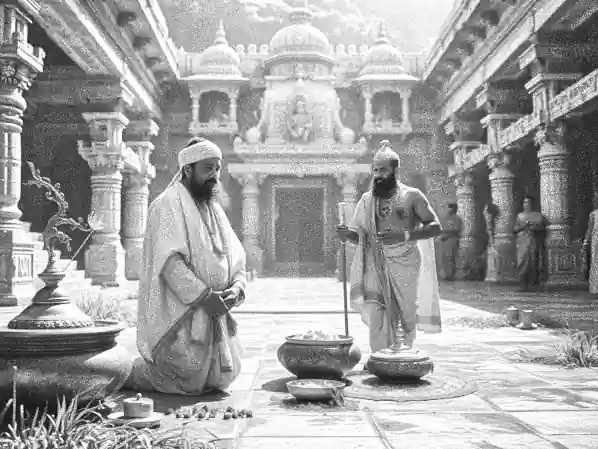
It is observed in the bright fortnight of the month of Bhadrapada (Prōṣṭhapada). When all necessary materials for the ritual are collected, both the Brahman priest and the king take a ceremonial bath, wearing clean garments and anointing themselves with fragrant unguents. They remain pure, disciplined, and observe a fast in preparation for the sacred acts to follow.
On the day before the main ritual, water is consecrated six times by reciting the Śamno Devi hymn and half-verses from the Rigveda, after which the officiant performs āchamana (ritual sipping of water) and prepares a barhis (sacrificial seat of sacred grass). The priest, invoking the king as Indra’s earthly representative, makes oblations with mantras such as:
“May Indra, the protector, come near; may Indra strengthen this king; may the mighty Indra grant him victory and power; may Indra triumph as the bull among warriors.”
After the offering, the ritual of awakening Indra is performed with mantras invoking his presence:
“Arise, O Indra, from your hidden seat; may all beings wish you well.”
During this part, everyone must remain alert and reverent, for it is said that an extraordinary savana (offering) manifests visibly when Indra is awakened.
Each cardinal direction is associated with a specific danger, and the ritual acts as protection against them: if danger comes from the east, it is from Agni (fire); from the south, from Yama (death); from the west, from Varuna (the waters); from the north, from hunger; and from the intermediate regions, from both sides. To avert these, the mantra is recited:
“May Agni protect me, may the blessed fire reach you safely.”
The ritual performer moves clockwise, placing protective charms or offerings toward each direction according to their significance.
Certain omens are also mentioned. If a vulture falls upon the ritual ground, it signifies danger of death; if a black bird descends from the sky, it is a sign of calamity. In such cases, protective mantras like “Yastvā gṛdhraḥ kapota iti” are to be recited. For three nights thereafter, clarified butter should be offered with prayers to counteract inauspicious signs.
Further omens are interpreted symbolically:
if the head of the ritual image breaks, it predicts harm to the king;
if the middle part breaks, danger to the ministers;
if the base breaks, ruin to the people;
if the root breaks, destruction to the city.
If the Indra-pole (Indrāṭaka) breaks, the royal treasury will be plundered; if the consecrated cord snaps, the ruler himself will perish.
After this, the king is circumambulated while reciting the Sāvitrī mantra for consecration, invoking blessings through hymns of Abhibhūriyajña and other sacred verses. Then a complete homa (fire offering) is made for the king’s prosperity.
The ritual for the animals follows. The attendants and royal servants are considered consecrated as devotees of Indra, maintaining vows of purity and discipline. They approach and worship Indra, performing offerings for three or seven nights. During these days, they offer havis (oblations) with mantras such as “Avṛta Indramaham” and “Indra Kṣatram”.
After the final oblations, the priests bless the king with benedictions for peace and victory. Then, for the avabṛtha (final purifying bath), they proceed to the waters, reciting hymns from the Āpaḥ Sūkta, immersing themselves, and moving clockwise around the sacred space. Having completed the purification, they return and respectfully honor the Brahmins with offerings and gifts, seeking blessings for the prosperity of the realm.
It is said that one who performs or even knows this ritual gains great royal fortune — his kingdom prospers daily, he becomes the sole ruler of his land, and he never declines with age. Thus concludes the Brāhmaṇa statement:
“He who knows this and performs the Indra Mahotsava in this manner becomes great in his nation, a sovereign ruler, and lives long without decay.”
8th November 2021
इन्द्रमहोत्सवः
(१९,१.१) अथ राज्ञमिन्द्रमहोत्सवस्य उपचारकल्पं व्याख्यास्यामः ॥(१९,१.२) प्रौष्ठपदे शुक्लपक्षे ॥(१९,१.३) संभृतेषु संभारेषु ब्रह्मा राजा च उभौ स्नातौ अहतवसनौ सुरभिसुजातानुलेपनौ कर्मण्यौ व्रतवन्तौ उपवसतः(१९,१.४) [व्रतवन्तौ] श्वो भूते शम्नोदेव्याः पादैरर्धर्चाभ्यामृचा षकृत्वोदकं परि वाचमाचान्तो(१९,१.५) बर्हिरुपकल्पयित्वा राजानमन्वालभ्य जुहुयात् ॥(१९,१.६) अर्वाञ्चमिन्द्रं त्रातारमिन्द्रमिन्द्रः सुत्रामा इममिन्द्र वर्धय क्षत्रियं मे हन्ताय वृष इन्द्रस्य इन्द्रो जयाति इति च हुत्वा राष्ट्रसंवर्गैश्चा(१९,१.७) अथ इन्द्रमुत्थापयन्ति आ त्वा अहार्षमन्तर्ध्रुवाद्यौर्विशस्त्वा सर्वा वाञ्छन्तु इति सर्वतोऽप्रमत्ता धारयेरन्न्(१९,१.८) अद्भुतं हि सवनानयेत्समुत्थितं भवति ॥ यदि प्राच्यामग्निभयम् ॥ यदि दक्षिणस्यां यमभयम् ॥ यदि प्रतीच्यां वरुणभयम् ॥ यदि उदीच्यां क्षुद्भयम् ॥ यदि अन्तर्देशेभ्योभयतो विद्याद्(१९,१.९) अग्निर्मा पातु अग्निं ते वसुमन्तमृच्छन्त्विति ॥ यथास्वलिङ्गं द्वाभ्यांद्वाभ्यां प्रदक्षिणं प्रतिदिशमुपस्थापयेत् ॥(१९,१.१०) गृध्रश्चेदस्मिन्निपतति मृत्योर्भयं भवति ॥ यद्वा कृष्णशकुनिरन्तरिक्ष्र्ण पतति इति जपेद्यस्त्वा गृध्रः कपोत इति अन्ततो जपेत्(१९,१.११) सर्वत्र अनाज्ञातेषु त्रिरात्रं घृतकम्बलम् ॥(१९,१.१२) शिरोभङ्गे तु राजानं मध्यभङ्गे तु मन्त्रिणम् । आदिभङ्गे जनपदं मूलभङ्गे तु नागरान् ॥(१९,१.१३) इन्द्राटको यदा भिद्याद्राजकोशो विलुप्यते । रज्जुछेदे परिजाते नृपतिस्तु विनश्यति ॥(१९,२.१) सावित्र्या अभिमन्त्रितं कृत्वा प्रदक्षिणमावर्तयेद्राजानमभिभूर्यज्ञ इति एतैस्त्रिभिः सूक्तैरन्वारब्धे राजनि पूर्णहोमं जुहुयात् ॥(१९,३.१) अथ पशूनामुपाचारम् ॥(१९,३.२) इन्द्रदेवताः स्युर्ये राज्ञो भृत्याः स्युः सर्वे दीक्षिता ब्रह्मचारिणः स्युर्(१९,३.३) इन्द्रं चोपसद्य यजेरन् ॥ त्रिरात्रं सप्तरात्रं वा(१९,३.४) त्रिरयनमह्नामुपतिष्ठन्ते हविसा च यजन्ते ॥(१९,३.५) आवृत इन्द्रमहमिति इन्द्र क्षत्रमिति हविषो हुत्वा(१९,३.६) ब्राह्मणान् स्वस्तिवाच्य इन्द्रमवभृथाय व्रजन्ति(१९,३.७) अपां सूक्तैराप्लुत्य प्रदक्षिणमावृत्य अप उपस्पृश्य अनपेक्षमाणाः प्रत्येत्य ब्राह्मणान् भक्त्या यदीप्सितं वरप्रदानैः परितोषयेत् ॥(१९,३.८) अथ हैषमितिकमिति ॥(१९,३.९) श्वःश्वोऽस्य राष्ट्रं ज्यायो भवति एकोऽस्यां पृथिव्यां राजा भवति न पुरा जरसः प्रमीयते य एवं वेद यश्चैवंविद्वानिन्द्रमहेण चरति इति ब्राह्मणम् ॥
Read More
Trarpan (Sanskar) Bidhi as per Atharva Veda