Islamic Republic of Iran
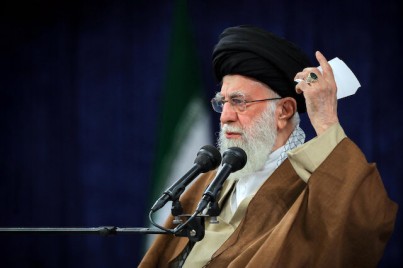
The Islamic Revolution began in late 1978 with widespread protests against the rule of Shah Mohammed Reza Pahlavi; significant demonstrations in cities like Qom on 9 January 1978 helped trigger nationwide unrest. Civil strikes and clashes culminated in the Shah’s departure on 16 January 1979. Religious leader Ruhollah Khomeini returned from exile on 1 February 1979, and the monarchy was abolished. A referendum on 30–31 March 1979 established the Islamic Republic under a new constitution. Iran faced internal conflict, including the 1979 Kurdish rebellion and consolidations of power into the 1980s. The Iran–Iraq War (1980–1988) was a major external conflict during this period. Khomeini served as Supreme Leader until his death on 3 June 1989; afterward, Ali Khamenei was appointed Supreme Leader, a role he filled from 1989 until his reported death on 28 February 2026 in a military strike during a joint U.S.–Israeli operation. His tenure saw centralized clerical authority, involvement in regional conflicts, and sustained tensions over Iran’s nuclear program. Iran has declared national mourning and begun succession procedures following Khamenei’s death.