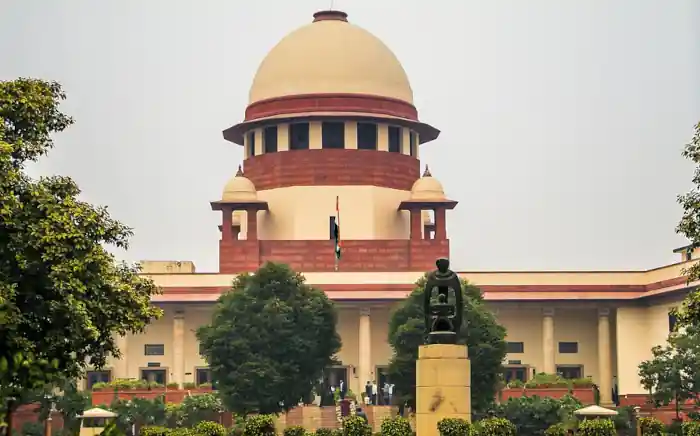
Supreme Court In Lingappa Pochanna Appelwar Vs. State of Maharashtra and Another[AIR 1985 SC 389 : (1984) 2 SCALE 1022 : (1985) 1 SCC 479 : (1985) 2 SCR 224]
, their Lordships were called upon to interpret the Maharashtra Restoration of Lands to Schedule Tribes Act, and in that regard observed that:
16. The present legislation is a typical illustration of the concept of distributive justice, as modern jurispredents know it. Legislators, Judges and administrators are now familiar with the concept of distributive justice. Our Constitution permits and even directs the State to administer what may be termed “distributive justice”. The concept of distributive justice in the sphere of law-making connotes, inter alia, the removal of economic inequalities and rectifying the injustice resulting from dealings or transactions between unequals in society. Law should be used as an instrument of distributive justice to achieve a fair division of wealth among the members of society based upon the principle: “From each according to his capacity, to each according to his needs’. Distributive justice comprehends more than achieving lessening of inequalities by differential taxation, giving debt relief or distribution of property owned by one to many who have none by imposing ceiling on holdings, both agricultural and urban, or by direct regulation of contractual transactions by forbidding certain transactions and, perhaps, by requiring others. It also means that those who have been deprived of their properties by unconscionable bargaining should be restored their property. All such laws may take the form of forced redistribution of wealth as a means of achieving a fair division of material resources among the members of society or there may be legislative control of unfair agreements.