

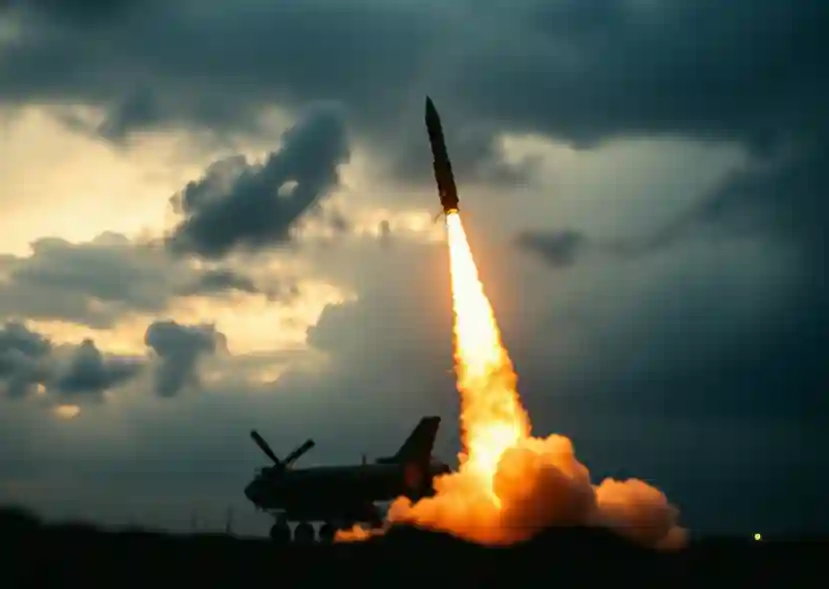
Biden Administration Approves Ukraine’s Use of U.S. Weapons for Long-Range Strikes on Russian Targets before handing over power to Donald Trump
Date: November 18, 2024
In a dramatic shift in U.S. foreign policy, the Biden administration has approved Ukraine’s request to use American-made weapons for long-range strikes on Russian territory, sources familiar with the decision confirmed on Sunday. This move marks a significant reversal in Washington’s stance on the Ukraine-Russia conflict, signaling increased U.S. military support for Ukraine.
Ukraine plans to launch its first long-range strikes in the coming days, although the details have been kept confidential for operational security reasons. The White House declined to comment on the decision.
This significant policy shift comes just over two months before President-elect Donald Trump is set to take office on January 20, following months of persistent appeals from Ukrainian President Volodymyr Zelenskiy to allow Ukraine’s military to target Russian forces far beyond its border. The decision is seen as a response to mounting security concerns, including Russia’s use of North Korean ground troops to bolster its military presence, which has caused alarm in both Washington and Kyiv.
The U.S. move comes at a time when Russian forces have been making territorial gains in Ukraine, increasing tensions between the two nations. The Biden administration’s decision to authorize long-range strikes using U.S.-made weapons is expected to alter the battlefield dynamics, potentially providing Ukraine with a strategic advantage.
The first wave of Ukraine’s deep strikes is likely to utilize ATACMS (Army Tactical Missile System) rockets, which have a range of up to 306 kilometers (190 miles). These advanced missiles would allow Ukraine to hit critical Russian military targets deep within Russia, far from the frontline.
While some U.S. officials have expressed skepticism about the potential impact of long-range strikes on the overall war trajectory, the move could bolster Ukraine’s position at a time when Russian forces continue to advance. The strikes may also provide Ukraine with better leverage in potential ceasefire talks, should negotiations take place.
Russian officials have strongly condemned the U.S. decision. Vladimir Dzhabarov, the first deputy head of Russia’s international affairs committee, warned that the policy change could escalate the conflict to “World War Three.” Andrei Klishas, a senior member of Russia’s upper chamber of parliament, cautioned that the escalation could lead to the collapse of Ukraine’s statehood.
As President Trump prepares to take office, it remains uncertain whether he will reverse the Biden administration’s decision. Trump has consistently criticized the level of U.S. financial and military aid to Ukraine and has vowed to bring an end to the war quickly, though his specific plans remain unclear.
The approval of long-range strikes on Russian territory represents a major escalation in the Ukraine-Russia conflict and could significantly affect future diplomatic and military strategies.
Read more:
- Ukraine & Middle East War | Macron, Scholz, Starmer & Biden Meeting
- Poland’s €3.23 billion military aid to Ukraine
- India-Ukraine Joint Statement: Key Highlights of Prime Minister’s Visit
More Stories
Death of Mohandas Karamchand Gandhi: Government Resolutions (2nd Feb 1948)
Bengal Assembly Passes OBC Amendment Bills 2026, Revises Quota to 7%
Encyclopedia of India’s Internal and External Intelligence System: Special Emphasis on the (R&AW)